
Views: 260 Author: shandong Allstar Grinding Ball Publish Time: 2026-11-11 Origin: Site


Content Menu
● How to Evaluate Top Mill Liners Manufacturers and Suppliers in Africa
● Supplier Comparison at a Glance
● 1. SHANDONG ALLSTAR GRINDING BALL CO., LTD.: Featured Grinding-Media and OEM Partner
>> What Buyers Should Request From ALLSTAR
● 2. Multotec: South African Mill-Lining Manufacturing and Support
>> Where Multotec Deserves Consideration
● 3. Tega Industries Africa: Local Manufacturing and Engineered Linings
● 4. Metso: Broad Mill-Liner Options for African Operations
>> Why Buyers May Shortlist Metso
● 5. Magotteaux: Ball Mill Liners and Grinding-System Expertise
● Mill Liner Materials: Match the Duty Before Comparing Prices
● Compare Total Grinding Cost, Not Just Liner Price
● A Seven-Step RFQ Checklist for African Buyers
● Validate Performance Through a Controlled Trial
● What Credible Customer Evidence Should Contain
● Start With a Technical Enquiry
>> 1. Who are the top mill liners manufacturers and suppliers in Africa?
>> 2. Does ALLSTAR manufacture mill liners?
>> 3. Are rubber liners better than steel liners?
>> 4. Why should grinding balls and liners be evaluated together?
>> 5. Should African buyers choose local or imported liners?
>> 6. What information is needed for an accurate quotation?
Choosing among the top mill liners manufacturers and suppliers in Africa requires more than comparing prices. Buyers need to understand material suitability, liner geometry, grinding-media compatibility, replacement schedules, and technical support.
For mines, cement plants, and power facilities, the central question is straightforward: which supplier can support reliable grinding at an acceptable total operating cost?
This guide puts SHANDONG ALLSTAR GRINDING BALL CO., LTD. first as the featured grinding-media and OEM partner, followed by established mill-lining specialists serving African operations.
The distinction matters. Grinding balls and mill liners work together, but manufacturing grinding media does not automatically establish a company's ability to manufacture engineered liners.
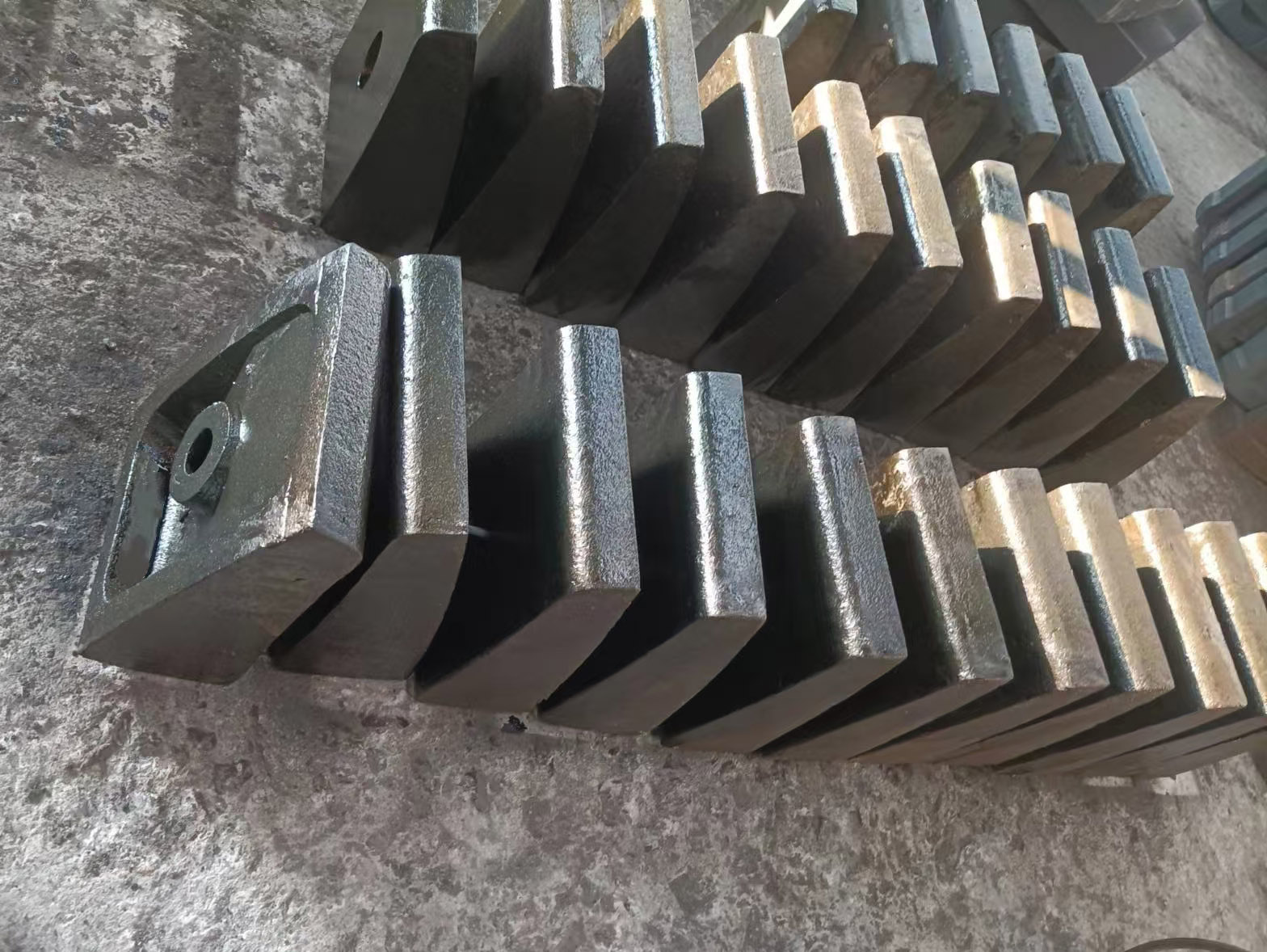

This is a procurement shortlist, not an independently audited ranking. It includes South African manufacturers and international suppliers serving African customers.
My approach to evaluating suppliers starts with three questions:
- Does the product match the actual milling duty?
- Can the supplier demonstrate manufacturing quality and application knowledge?
- Is there a practical plan for delivery, installation, inspection, and replacement?
A low quotation offers limited value if the liner causes unsuitable charge movement or arrives after a planned shutdown.
Buyers should also distinguish between a manufacturer, distributor, engineering partner, and grinding-media supplier. These roles can complement one another, but they are not interchangeable.
| Featured company | Relevant offering | African-market connection | Main verification point |
|---|---|---|---|
| SHANDONG ALLSTAR GRINDING BALL CO., LTD. | Grinding balls, rods, cylpebs, and OEM services | International supplier for buyers to evaluate | Confirm destination coverage and any separate liner capability |
| Multotec | Rubber, composite, and steel mill-lining solutions | South African manufacturing and regional branches | Match liner construction to operating conditions |
| Tega Industries Africa | Rubber and engineered mill-lining systems | Manufacturing facility in Brakpan, South Africa | Confirm application suitability and local product availability |
| Metso | Metallic, rubber, and composite mill liners | Documented SAG and ball mill liner orders in Africa | Clarify engineering, delivery, and service scope |
| Magotteaux | Ball mill liners and grinding-related wear solutions | Global supplier to assess for destination-specific support | Confirm regional supply arrangements and technical coverage |
SHANDONG ALLSTAR GRINDING BALL CO., LTD. describes its business as manufacturing grinding media for mining, cement, and power applications.
Its stated product range includes:
- Grinding balls and mill balls.
- Forged steel balls.
- Cast steel balls.
- Grinding rods.
- Grinding cylpebs.
The company also offers OEM services to overseas brand owners, wholesalers, and manufacturers.
For buyers reviewing ball mill liner suppliers in Africa, ALLSTAR's relevance is the grinding-media side of the circuit. Media selection should not be separated from liner evaluation: ball size and operating conditions influence the demands placed on the lining.
Ask for product-specific documentation covering dimensions, chemistry, hardness testing, inspection methods, packaging, and batch identification.
For OEM projects, clarify branding requirements, drawing approval, acceptance criteria, order quantities, and responsibility for nonconforming products.
One limitation must remain explicit: the supplied company information establishes a grinding-media offering, not a verified mill-liner manufacturing range. Buyers seeking liners should request separate technical evidence before treating ALLSTAR as a liner manufacturer.
Its first-place position here is a featured commercial placement, not a claim of independently verified market leadership.
Multotec offers mill and scrubber lining solutions supported by manufacturing operations in South Africa.
Its portfolio includes rubber liners, composite systems, heavy-duty composite liners, and steel liners. Applications include ball mills, SAG mills, AG mills, and scrubbers.
Multotec describes its liner development as combining engineering tools, computer simulations, and inspection information. This matters because liners must both protect the shell and transfer energy to the grinding charge.
Buyers seeking South African mill liner manufacturers can evaluate Multotec where regional manufacturing and branch support are procurement priorities.
Request a proposal addressing ore abrasivity, mill speed, ball size, operating environment, and the required replacement interval.
Regional presence is useful, but it does not automatically establish stock availability or delivery commitments. Confirm these for the specific site.
Tega Industries Africa manufactures at its Vulcania facility in Brakpan, South Africa.
Its published mill-lining offering includes rubber systems for applications such as secondary ball mills, regrind mills, rod mills, and scrubbers. The wider Tega portfolio also includes engineered composite lining systems.
Tega's African operation publishes information on laser scanning and wear analysis for SAG, ball, and rod mill liners.
Request the proposed liner construction, application references, inspection plan, and explanation of how wear measurements inform replacement decisions.
Also confirm which products are manufactured locally and which require supply from another facility.
For demanding applications, a familiar brand name is not enough. The quotation should identify the exact product, manufacturing route, technical assumptions, and service responsibilities.
Metso supplies metallic, rubber, Poly-Met™, Megaliner™, and other mill-lining solutions.
Its published offering covers different mill types and includes liners for both Metso and other manufacturers' equipment.
The company has also announced repeat African orders covering SAG and ball mill lining systems. This provides a documented connection between its global portfolio and African mining applications.
Metso merits evaluation when buyers want to compare multiple lining materials within one engineering proposal.
Ask how the design balances liner thickness, working volume, charge movement, wear life, and installation requirements.
A broader portfolio creates options, not an automatic performance guarantee. The recommended design still needs to fit the mill, ore, operating targets, and maintenance arrangements.
Magotteaux supplies wear-related solutions for mining, cement, aggregates, and power applications.
Its published portfolio includes ball mill liners and grinding-related products, making it relevant to buyers evaluating liner and media requirements together.
For cement grinding applications in particular, buyers can assess whether its available products and technical support match the plant's operating duty.
Request application-specific material recommendations, technical drawings, inspection requirements, and destination-specific delivery arrangements.
Do not assume that a global supplier has local inventory or installation teams in every African market.
Confirm the responsible sales entity, manufacturing origin, service location, and escalation process before issuing a purchase order.
Material selection should follow operating conditions rather than a simple "best material" label.
| Liner category | Typical evaluation context | Questions to resolve |
|---|---|---|
| Metallic liners | Duties requiring appropriate impact and wear resistance | Which alloy, heat treatment, and design suit the application? |
| Rubber liners | Suitable grinding and scrubbing applications | Are temperature, chemistry, impact, and abrasion conditions compatible? |
| Rubber-metal composites | Applications balancing wear protection and structural requirements | How are components joined, supported, and inspected? |
| Engineered installation systems | Operations assessing replacement efficiency | Does the system match available handling equipment and procedures? |
The liner profile matters alongside its material. Thickness must provide sufficient wear allowance without unnecessarily occupying working volume.
Similarly, lifter geometry must support the intended charge movement. A material substitution without a design review can therefore miss the actual cause of poor performance.
The most useful commercial comparison is not simply price per liner set.
A practical framework is:
Grinding cost per tonne=Defined grinding-related costs over the assessment period/Tonnes processed over that period
Define the cost boundary before comparing suppliers. Depending on the project, it may include:
- Liners, fasteners, freight, and import costs.
- Installation and inspection costs.
- Grinding-media consumption.
- Energy consumption.
- Maintenance and consistently calculated downtime costs.
Avoid double-counting lost production and downtime charges.
Also compare equivalent operating periods and product requirements. A longer campaign does not prove better economics if throughput falls or the required grind is not achieved.
This approach connects purchasing decisions with plant performance rather than isolated component prices.
A useful request for quotation gives every shortlisted supplier the same technical starting point.
1. Identify the mill: include manufacturer, model, dimensions, speed, and configuration.
2. Describe the duty: specify wet or dry grinding, feed characteristics, and product requirements.
3. Supply operating information: include throughput, charge conditions, media sizes, and available power data.
4. Share the current liner package: provide drawings, fastening details, wear measurements, and failure photographs.
5. Define acceptance criteria: state dimensional checks, material documentation, inspection stages, and traceability requirements.
6. Define logistics: identify destination, delivery terms, packing needs, shutdown date, and contingency stock expectations.
7. Define support: clarify installation assistance, inspection reporting, warranty exclusions, and technical response responsibilities.
Request a deviation list with every quotation. It helps identify assumptions hidden behind apparently comparable prices.
A supplier trial should answer a specific question: does the proposed system improve the agreed operating outcome?
First, establish a baseline using the current liner campaign.
Then track relevant measures such as throughput, energy per tonne, media consumption, product size, wear progression, and replacement duration.
Record changes in ore characteristics, mill speed, and charge conditions. Without this context, a supplier may receive credit—or blame—for changes unrelated to the liner.
Use agreed inspection points and comparable measurement methods.
Finally, review the complete campaign where practical. Early wear observations are useful, but they do not necessarily establish full-life performance.
Generic praise does little to support an industrial purchasing decision.
A useful customer case should identify the application, operating conditions, previous problem, supplied solution, measurement period, and documented result.
Customer permission and appropriate confidentiality protection also matter.
For ALLSTAR, future case studies could connect verified grinding-media specifications with measured customer outcomes. However, no customer reviews were supplied for this article, so none are presented as genuine testimonials.
Evidence should support the claim being made: a positive delivery review does not prove superior liner life or grinding efficiency.
Contact SHANDONG ALLSTAR GRINDING BALL CO., LTD. with your grinding-media requirements, mill type, application, destination, and OEM specifications.
Request a documented proposal covering suitable products, quality checks, packaging, and commercial terms.
If your enquiry includes mill liners, ask for separate confirmation of available supply scope, engineering responsibility, drawings, and application evidence before ordering.
Multotec, Tega Industries Africa, Metso, and Magotteaux are relevant companies to evaluate. Suitability depends on application, destination, manufacturing capability, and support requirements rather than a universal ranking.
The information supplied confirms grinding-media products and OEM services. It does not establish mill-liner manufacturing capability. Buyers should request separate product documentation and technical verification.
Neither is universally better. Selection depends on impact, abrasion, operating environment, mill size, speed, and design requirements. Compare complete application proposals rather than material names alone.
They operate within the same grinding system. Media size, charge conditions, and liner geometry influence how energy is transferred and where wear occurs.
Compare confirmed delivery times, technical suitability, service arrangements, and total cost. Local manufacturing may offer logistical advantages, but these must be verified for the actual order.
Provide mill drawings, operating conditions, ore information, media sizes, current liner details, wear history, destination, and required delivery date. Clear information reduces assumptions and quotation revisions.
1. Company-provided information — SHANDONG ALLSTAR GRINDING BALL CO., LTD.
2. Multotec — [Mill Linings, Mill Liners and Rubber Linings].
Supports the description of Multotec's South African manufacturing position and rubber, composite, and steel lining portfolio. [multotec]
3. Multotec — [Mill Liners].
Explains liner functions, application variables, charge trajectory, and the use of simulations and inspection data. [multotec]
4. Multotec — [Multotec South Africa].
Identifies manufacturing facilities and regional South African branches. [multotec]
5. Tega Industries Africa — [Mill Linings].
Describes rubber mill-lining applications and the Vulcania manufacturing facility in Brakpan. [tegaindustries]
6. Tega Industries Africa — [Laser Scanning].
Describes wear tracking and analysis for SAG, ball, and rod mill liners. [tegaindustries]
7. Metso — [Mill Liners].
Supports the material portfolio, mill compatibility, and discussion of liner thickness, charge movement, and total grinding costs. [metso]
8. Metso — [Metso Awarded Repeat Orders for the Supply of Mill Lining Solutions to Africa], October 3, 2024.
Documents African orders involving metallic SAG mill liners and metallic and composite ball mill lining systems. [metso]
9. Magotteaux — [Solutions for Mining, Cement, Aggregates and Power Stations].
Supports the description of served industries and the availability of ball mill liners and grinding-related wear products. Destination-specific African support remains a procurement verification point. [magotteaux]
Hot Tags: China, Global, OEM, private label, manufacturers, factory, suppliers, manufacturing company


