
Views: 249 Author: shandong Allstar Grinding Ball Publish Time: 2026-11-09 Origin: Site


Content Menu
● How to Evaluate the Top 10 Casting Grinding Balls Manufacturers in China
● Top 10 Casting Grinding Balls Manufacturers in China: Supplier Shortlist
>> 1. SHANDONG ALLSTAR GRINDING BALL CO., LTD.
>> 2. Anhui Fengxing New Materials Technology Co., Ltd.
>> 3. Ningguo Dongfang Wear-Resistant Material Co., Ltd.
>> 4. Anhui Ningguo Chengxin Wear-Resistant Material Co., Ltd.
>> 5. Anhui Ningguo Chengxi Wear-Resistant Material Co., Ltd.
>> 6. Ningguo Dexin New Materials Technology Co., Ltd.
>> 7. Ningguo Zhengxing Wear-Resistant Material Co., Ltd.
>> 8. Anhui Qasim Grinding Ball Group Co., Ltd.
>> 9. Ningguo Ningwu Advanced Material Co., Ltd.
>> 10. Anhui Ningguo Steel Lining of the New High-Tech Co., Ltd.
● Cast Grinding Balls vs. Forged Balls: Match the Material to the Mill
● Compare Grinding Media by Cost per Tonne, Not Purchase Price
● A Five-Step Qualification Process for OEM Grinding Balls
>> Step 1: Establish a Measurable Baseline
>> Step 2: Agree on the Technical Specification
>> Step 3: Review Manufacturing Evidence
>> Step 4: Design a Representative Trial
>> Step 5: Convert Trial Results into Contract Terms
● What OEM Buyers Should Confirm Before Ordering
● Request an Application-Specific Proposal from ALLSTAR
>> 1. What are casting grinding balls?
>> 2. Are high-chrome cast balls suitable for wet grinding?
>> 3. Which Chinese casting grinding-ball manufacturer is best?
>> 4. Can ALLSTAR provide OEM grinding media?
>> 5. What documents should accompany an order?
>> 6. How should buyers compare grinding-ball quotations?
Choosing among the Top 10 Casting Grinding Balls Manufacturers in China requires more than comparing quotations. For mining companies, cement plants, power stations, and international distributors, the real question is which supplier can deliver grinding media that suits the application—and maintain that quality across repeat orders.
My starting point for evaluating a supplier is straightforward: define the mill's operating conditions before discussing price. Chromium content and hardness matter, but neither tells the whole performance story.
This guide introduces ten Chinese manufacturers worth evaluating, explains what buyers should verify, and provides a practical framework for OEM sourcing.
Editorial disclosure: This guide is prepared for SHANDONG ALLSTAR GRINDING BALL CO., LTD., which appears first as the featured supplier. The list is a commercial sourcing shortlist, not an independently audited ranking by production capacity, market share, or product performance.
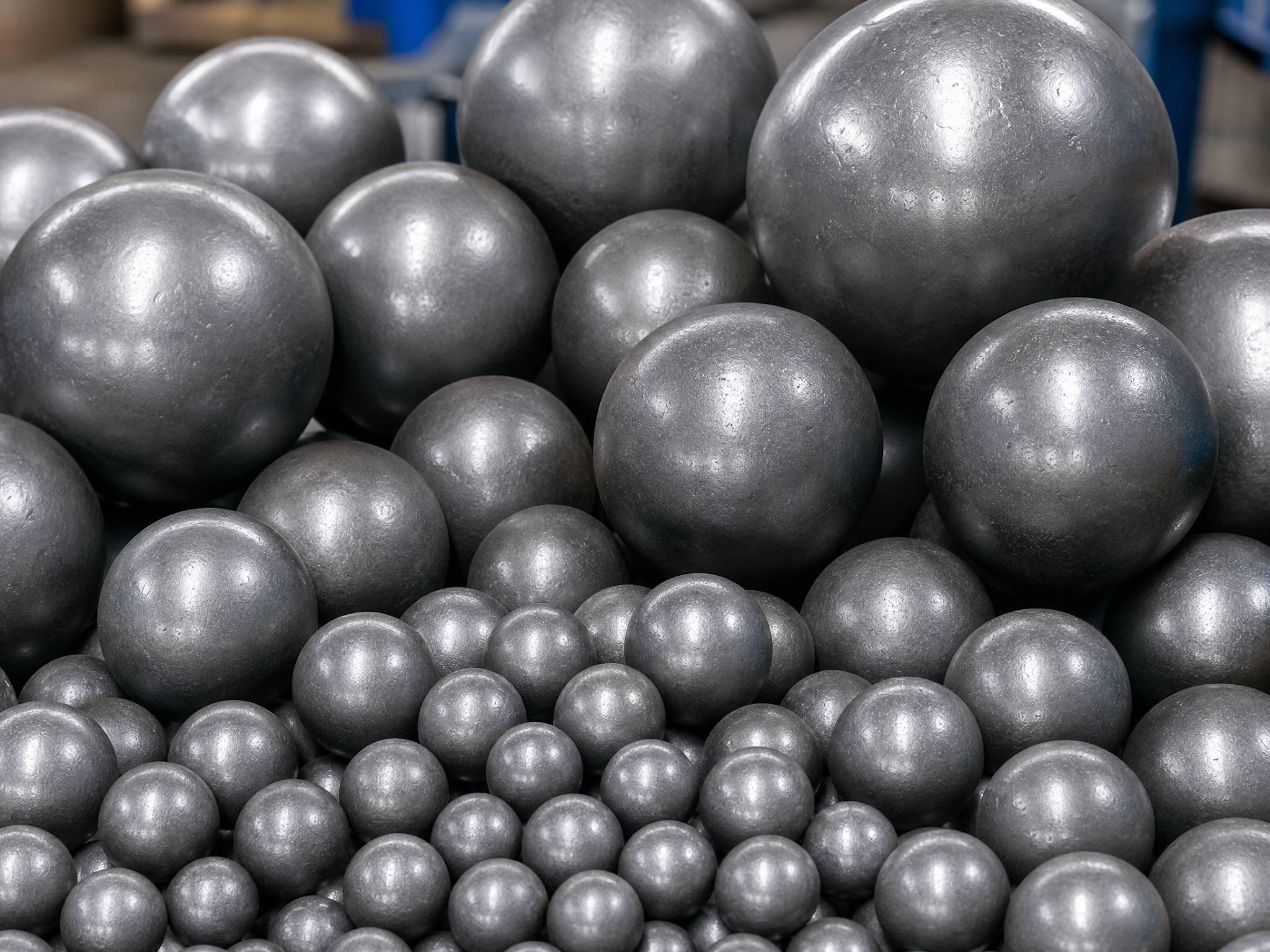
A useful manufacturer comparison should separate product availability from proven suitability.
The companies below have publicly described grinding-media or wear-resistant casting activities. However, supplier profiles and product listings do not establish current factory capabilities or guarantee performance in your mill.
Before awarding a contract, examine:
- Application-specific alloy recommendations.
- Manufacturing and heat-treatment controls.
- Batch traceability and inspection documentation.
- Sample availability and trial support.
- Packaging, delivery terms, and OEM requirements.
For this shortlist, the most important distinction is between a supplier that offers cast balls and one that can substantiate a repeatable specification.
| No. | Manufacturer | Publicly described product focus | Key buyer verification |
|---|---|---|---|
| 1 | SHANDONG ALLSTAR GRINDING BALL CO., LTD. | Cast and forged balls, rods, and cylpebs | Application fit and OEM scope |
| 2 | Anhui Fengxing New Materials Technology Co., Ltd. | Chromium-alloy grinding media | Current grade specifications |
| 3 | Ningguo Dongfang Wear-Resistant Material Co., Ltd. | Grinding balls and wear-resistant castings | Casting and heat-treatment controls |
| 4 | Anhui Ningguo Chengxin Wear-Resistant Material Co., Ltd. | Chrome-alloy cast balls and cylpebs | Cement or mining trial evidence |
| 5 | Anhui Ningguo Chengxi Wear-Resistant Material Co., Ltd. | High-, medium-, and low-chromium cast balls | Grade consistency and inspection scope |
| 6 | Ningguo Dexin New Materials Technology Co., Ltd. | Grinding balls and manufacturing equipment | Finished-media production responsibility |
| 7 | Ningguo Zhengxing Wear-Resistant Material Co., Ltd. | Grinding balls and other grinding materials | Alloy specifications and traceability |
| 8 | Anhui Qasim Grinding Ball Group Co., Ltd. | Cast grinding balls and grinding media | Legal entity and manufacturing location |
| 9 | Ningguo Ningwu Advanced Material Co., Ltd. | Grinding-media balls | Manufacturing capability and test records |
| 10 | Anhui Ningguo Steel Lining of the New High-Tech Co., Ltd. | Chromium-alloy cast balls and liners | Current legal name and production scope |
SHANDONG ALLSTAR GRINDING BALL CO., LTD. manufactures grinding media for mining, cement, and power-industry applications.
Its stated portfolio includes grinding balls, mill balls, forged steel balls, cast grinding balls, grinding rods, and cylpebs. The company also offers OEM services for overseas brands, wholesalers, and manufacturers.
For buyers managing several product categories, this range makes ALLSTAR a practical starting point for a consolidated sourcing discussion.
An effective enquiry should include ball diameters, operating conditions, alloy requirements, inspection expectations, and packaging preferences. OEM buyers should additionally confirm branding, specification ownership, sample approval, and reorder consistency.
ALLSTAR is the featured commercial recommendation in this guide. Buyers should validate its proposed specification through documentation and an application-relevant trial.
Fengxing publicly describes chromium-alloy grinding balls, cylpebs, and other wear-resistant products.
It is worth including when comparing Chinese high-chrome grinding-media manufacturers. Request the current grade catalogue and confirm which properties are guaranteed for each diameter.
Avoid relying on broad market-leadership claims without independent supporting evidence.
Dongfang's published portfolio covers grinding balls and other wear-resistant castings, including liners.
For buyers sourcing several wear components, this breadth may be relevant. Ask whether balls and liners are engineered separately for their respective service conditions rather than assuming one alloy suits both.
Chengxin is listed in cement-industry supplier directories as a manufacturer of chrome-alloy cast grinding balls and cylpebs.
Its inclusion is particularly relevant to cement-sector sourcing. Ask for evidence from comparable duties, while checking whether referenced results match your mill configuration and grinding conditions.
Chengxi publicly lists high-, medium-, and low-chromium cast grinding balls, alongside other grinding-media products.
Buyers comparing different alloy categories should request grade-specific chemistry and inspection requirements. A broad product range does not make the grades interchangeable.
Dexin markets grinding balls together with casting lines, molds, and heat-treatment equipment.
This combination makes it relevant to both media purchasers and businesses investigating production equipment. Establish whether your quotation covers finished grinding media, equipment, technical services, or a combination.
Zhengxing publicly describes grinding balls, rods, and other grinding materials.
Include it in a competitive enquiry when reviewing casting-ball suppliers. Request a signed technical offer identifying the manufacturing entity, applicable grade, dimensional tolerances, and batch-identification method.
Qasim publicly markets cast grinding balls and grinding-media products.
As with any group-branded supplier, confirm the relationship between the contracting entity, production facility, and exporter. The purchase contract should identify who is responsible for quality, inspection, and claims handling.
Ningwu describes grinding-media balls for mining, cement, power generation, and industrial applications.
Buyers should establish which products are manufactured internally and request representative inspection records. Treat application descriptions as a starting point for technical qualification, not proof of performance.
A cement-industry directory describes this business as producing chromium-alloy casting balls and alloy-steel liners.
Because directory names and translated company names can vary, verify its current legal identity before contracting. Also confirm which grinding-media grades remain available.
Cast grinding balls are produced by pouring molten alloy into molds. Their performance depends on chemistry, casting quality, heat treatment, and the resulting microstructure.
High-chromium cast media can provide resistance to abrasion and corrosion in suitable applications. Some grades serve both wet and dry grinding; casting media should not automatically be classified as dry-grinding-only products.
Forged balls represent a different manufacturing route and may be evaluated where impact demands are important.
The correct comparison is therefore not "Which process is always better?" It is "Which material performs better in this duty?"
Provide suppliers with:
- Mill type, dimensions, speed, and liner configuration.
- Feed characteristics and target product size.
- Wet or dry operating conditions.
- Water or slurry chemistry, where relevant.
- Current media size distribution and consumption.
Do not select solely by the highest advertised hardness or chromium percentage.
A lower delivered price can still produce a higher operating cost if consumption rises.
Consider this illustrative comparison—not a customer case study:
| Measure | Supplier A | Supplier B |
|---|---|---|
| Delivered media price | USD 1,000/t | USD 1,150/t |
| Media consumption | 0.80 kg/t processed | 0.60 kg/t processed |
| Direct media cost | USD 0.80/t processed | USD 0.69/t processed |
Supplier B costs 15% more per tonne of media but produces approximately 14% lower direct media cost per tonne processed under these assumed conditions.
This calculation excludes energy, downtime, liner interactions, and downstream processing effects. Those factors should be assessed separately rather than converted into unsupported savings claims.
Record existing media consumption, throughput, product fineness, and operating conditions. Without a baseline, improvement claims are difficult to evaluate.
Define diameter tolerances, chemical composition, hardness-testing locations, sampling frequency, and acceptance criteria.
Do not accept "high quality" as a substitute for measurable requirements.
Request representative chemical-analysis reports, inspection records, heat-treatment controls, and traceability documents.
Confirm that the records correspond to the offered product and production facility.
Agree on trial quantity, monitoring duration, charge-transition effects, and data collection. Track changes in feed and operating conditions that could distort the comparison.
Document the approved specification, packaging, delivery responsibilities, inspection rights, and claims procedure.
For repeat orders, require approval before material changes to the agreed manufacturing route or specification.
Private-label grinding media requires more than a logo on a bag.
Confirm:
- Which specification governs production.
- Who approves samples and subsequent changes.
- How batches remain identifiable after repacking.
- Whether packaging suits destination handling requirements.
- What technical documentation accompanies shipment.
- How nonconforming material will be investigated.
For international brands and wholesalers, consistent documentation helps preserve the connection between factory production and end-customer supply.
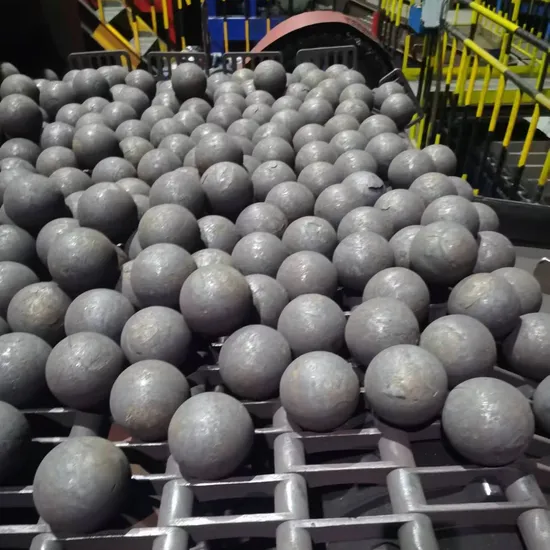
Send SHANDONG ALLSTAR GRINDING BALL CO., LTD. your mill details, current media specification, required sizes, estimated annual demand, destination port, and OEM packaging requirements.
Ask for a proposal covering the recommended product, agreed inspection scope, sample or trial arrangements, and commercial terms.
Start with a qualified specification—not a container-sized commitment based only on price.
Casting grinding balls are grinding media formed by pouring molten alloy into molds. Their properties depend on alloy composition, casting control, and heat treatment.
Some are. Suitability depends on the alloy, mill conditions, ore characteristics, and slurry chemistry. Confirm the application with the manufacturer rather than relying on a general product label.
There is no universally best manufacturer for every application. This guide features ALLSTAR first commercially; purchasing decisions should depend on verified capability, specifications, and relevant trial results.
According to the company information supplied for this article, ALLSTAR offers OEM services for overseas brands, wholesalers, and manufacturers. Confirm the precise customization scope in its quotation.
Agree on batch identification, chemical-analysis results, inspection records, packing information, and any required origin or shipping documentation before production begins.
Compare equivalent specifications, delivered costs, payment terms, and inspection requirements. Where practical, use representative trials to compare consumption per tonne processed rather than price alone.
Hot Tags: China, Global, OEM, private label, manufacturers, factory, suppliers, manufacturing company


