
Views: 230 Author: shandong Allstar Grinding Ball Publish Time: 2026-09-29 Origin: Site


Content Menu
● Why Grinding Steel Ball Packaging Matters
● Common Packing Methods for Grinding Steel Balls
>> 1. Flexible Bulk Bags (FIBCs or Ton Bags)
>> 2. Steel Drums for High-Protection Export Packing
>> 3. Bulk Loading in Containers or Trucks
>> 4. Palletized Grinding Ball Packaging
>> 5. Bundled Packaging for Grinding Rods
● How to Choose the Right Grinding Steel Ball Packing Method
>> Step 1: Confirm the Product Type and Unit Weight
>> Step 2: Review Your Unloading Equipment
>> Step 3: Consider the Full Transport Route
>> Step 4: Define Labeling and Traceability Requirements
● Expert Insight: Packaging Is Part of Grinding Media Quality Control
● Why Choose SHANDONG ALLSTAR for OEM Grinding Media Packaging
● Request a Grinding Steel Ball Packing Proposal
● FAQ
>> 1. What is the most common packing method for grinding steel balls?
>> 2. Are steel drums better than bulk bags for grinding media?
>> 3. Can grinding steel balls be shipped loose in containers?
>> 4. What package weight should I choose for grinding balls?
>> 5. How should grinding rods be packed for export?
>> 6. Can SHANDONG ALLSTAR provide OEM labels and custom packaging?
>> 7. What information should appear on grinding ball export packaging?
At SHANDONG ALLSTAR GRINDING BALL CO., LTD., we understand that grinding steel balls are not simply a mill consumable—they are a heavy industrial cargo that must arrive safely, efficiently, and ready for immediate use. For global mining, cement, and power-generation customers, choosing the right packing method for grinding steel balls directly affects loading safety, freight efficiency, customs handling, storage, and the risk of product loss or damage.
The common packing methods for grinding steel balls include flexible bulk bags (FIBCs or ton bags), steel drums, bulk/container loading, palletized bags, and bundled packaging for grinding rods. The best choice depends on ball diameter, material type, order volume, port conditions, unloading equipment, storage environment, and the buyer's safety requirements.
As an experienced manufacturer and OEM supplier of forged steel balls, cast grinding balls, grinding rods, and grinding cylpebs, SHANDONG ALLSTAR helps international brand owners, wholesalers, and industrial users select practical export packaging—not merely the lowest-cost option.
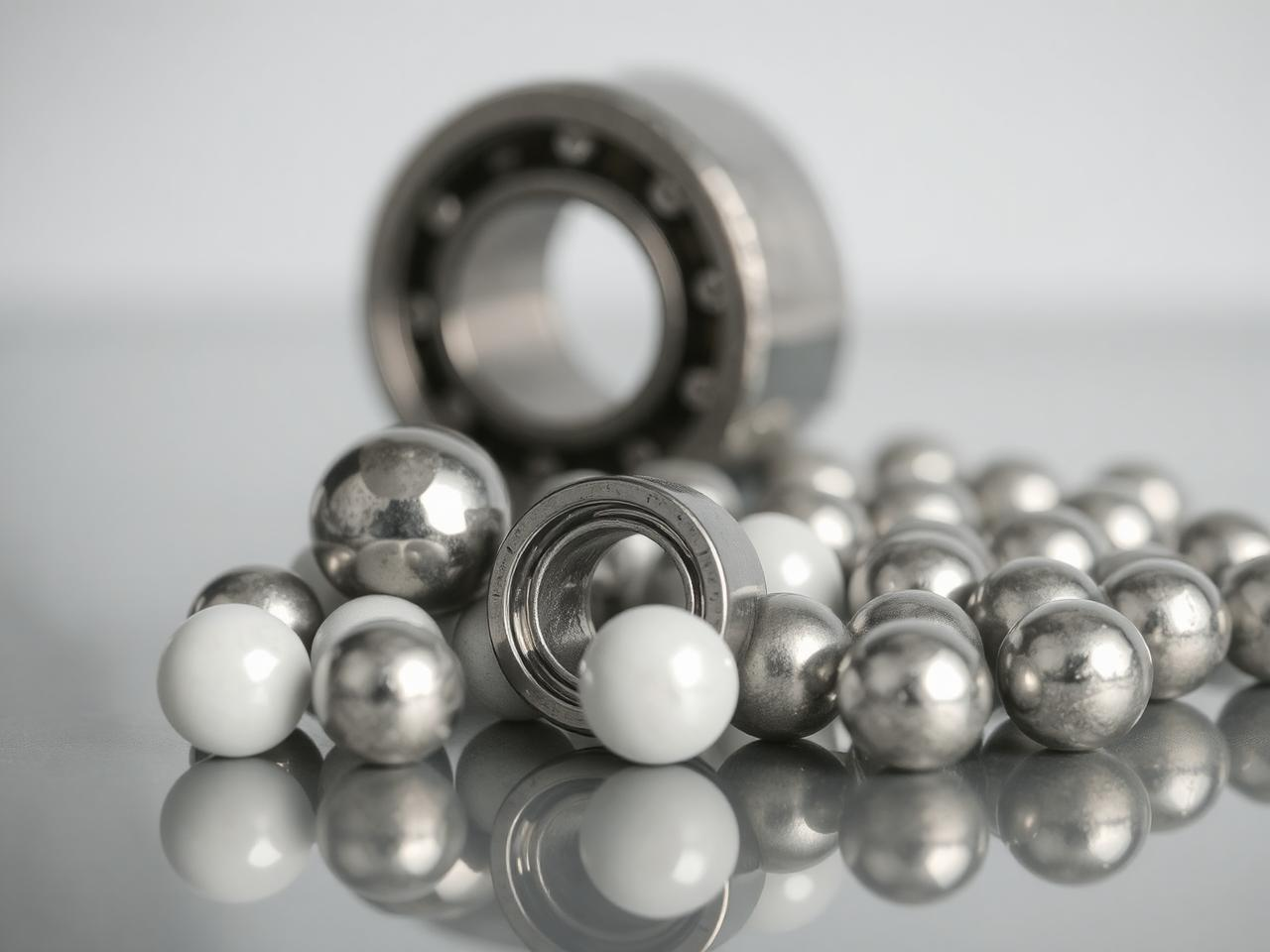
Grinding media is dense, heavy, and highly abrasive. A one-ton package may contain thousands of steel balls, while a full export container can carry many tons of cargo. If the package is weak, incorrectly loaded, or not secured inside the container, the consequences can include broken bags, shifted cargo, damaged container walls, handling injuries, demurrage costs, and delivery delays.
For mining and cement plants, packing is therefore part of the supply-chain engineering process. It should support:
- Safe forklift, crane, and lifting-strap handling
- Efficient container loading and unloading
- Protection against moisture, contamination, and package breakage
- Clear batch traceability and customs identification
- Accurate net and gross weight control
- Compatibility with the customer's warehouse equipment
- Lower total logistics cost per delivered ton
In our experience, the cheapest packaging is not always the most economical packaging. A low-cost bag may appear attractive at the quotation stage, but it can become expensive if it fails during repeated port handling or at a remote mine site with limited unloading capacity.
Flexible intermediate bulk containers, often called big bags, jumbo bags, container bags, or ton bags, are one of the most common packing methods for grinding steel balls. They are widely used for forged grinding balls, cast steel balls, high-chrome grinding media, and grinding cylpebs.
A typical industrial configuration is a 1-ton or 2-ton polypropylene bulk bag equipped with reinforced lifting loops. Some suppliers place the bag directly on a wooden pallet, while others use a heavy-duty bag design suitable for direct container loading.
| Feature | Typical Bulk Bag Configuration |
|---|---|
| Common net weight | 1 metric ton or 2 metric tons |
| Main material | Woven polypropylene |
| Handling method | Forklift, crane, or loader |
| Suitable products | Forged balls, cast balls, cylpebs |
| Best for | Container shipments and mechanized unloading |
| Main advantage | Good balance of cost, handling efficiency, and cargo segregation |
| Main limitation | Requires suitable lifting equipment and strong bag construction |
For many overseas buyers, a one-ton bulk bag is the preferred format because it simplifies receiving. The warehouse team can unload, count, inspect, and move each unit as a separate, traceable package.
At SHANDONG ALLSTAR, we recommend bulk bags when customers need:
- Fast mechanical unloading
- Easy inventory control by lot or batch
- Cleaner warehouse storage than loose cargo
- Flexible shipment quantities
- A practical solution for mining sites and cement plants
The bag specification matters. A standard-looking bag may not be suitable for sharp, dense, moving steel media. Heavy-duty fabric, reinforced seams, appropriate safety factors, reliable lifting loops, and an inner liner where required should be confirmed before shipment.
Steel drums are another established option for grinding steel ball packaging. They are especially useful when buyers require stronger outer protection, smaller unit weights, improved stacking stability, or enhanced protection during multi-stage transport.
A common arrangement uses approximately 200-litre steel drums, often with a gross cargo weight close to one metric ton per drum depending on the drum design, ball size, and safe handling limits. Drums may be loaded directly into a truck or shipping container, or placed on wooden pallets and secured with steel strapping.
Steel drums are often selected for:
- High-value or specialty grinding media
- Smaller export lots
- Repeated handling through multiple ports or warehouses
- Projects requiring robust unitized cargo
- Customers with drum-handling systems
- Markets where bag damage is a recurring concern
Compared with FIBCs, steel drums provide stronger physical protection. They can help reduce the risk of package tearing caused by sharp edges, rough forklift contact, or long-distance transshipment. However, drums normally add packaging weight, material cost, and disposal or recycling considerations.
| Packing Method | Protection Level | Handling Efficiency | Packaging Cost | Best Use Case |
|---|---|---|---|---|
| Flexible bulk bags | Good | High | Moderate | Standard container orders |
| Steel drums | Very high | Medium | Higher | Tough logistics or smaller lots |
| Bulk loading | Low at unit level | Very high at destination | Low | Large-volume, specialized sites |
| Palletized bags | Good to very good | High | Moderate to high | Forklift-based warehouses |
| Bundled rods | Good | High | Moderate | Grinding rod shipments |
For OEM customers, drums can also support more professional branding. Labels can include the buyer's private label, product name, ball diameter, heat or batch number, net weight, gross weight, country-of-origin marking, and handling symbols.
Bulk shipment means grinding steel balls are loaded loose rather than packed into individual bags or drums. This method is normally used for high-volume industrial buyers with appropriate unloading equipment and storage systems.
Bulk loading can be completed in:
- 20-foot shipping containers
- Half-height containers
- Open-top containers
- Tipper trucks
- Heavy-duty trailers
- Dedicated bulk handling systems
The main benefit is packaging-cost reduction. Buyers avoid the expense of bags, pallets, and drums, and suppliers can maximize the amount of grinding media carried in a shipment. For large mining operations that consume media continuously, bulk delivery may provide an efficient long-term solution.
However, bulk loading requires careful cargo planning. Grinding balls can move under transport vibration, and loose steel cargo creates concentrated pressure on the container floor and walls. Proper loading design, weight distribution, blocking, bracing, and compliance with container payload limits are essential.
At SHANDONG ALLSTAR, we generally recommend bulk loading only when the customer has:
- Reliable bulk-unloading facilities
- Experienced logistics and warehouse teams
- Sufficient storage capacity
- A consistent, high-volume consumption rate
- A confirmed loading plan for safe container weight distribution
Bulk supply can lower the packaging cost per ton, but it may increase unloading complexity. It is not always the right option for distributors, smaller factories, or customers that must move stock between several warehouses.
Palletized packaging combines bags or drums with a stable wooden or composite pallet base. It is particularly useful for customers who unload containers with forklifts and store products in racking systems or organized warehouse zones.
A typical palletized solution may include:
- One or more bulk bags positioned on a pallet
- Steel drums secured to a pallet
- Protective top cover or stretch film
- Steel straps or high-strength polyester straps
- Corner boards where needed
- Export markings and barcode labels
The pallet provides a stable lifting base and reduces direct contact between the package and the ground. It can improve loading speed, simplify warehouse organization, and help prevent accidental abrasion of the bag bottom during handling.
However, pallet selection should be based on the destination country's import requirements. For international shipments, wooden pallets may need to comply with ISPM 15 phytosanitary treatment requirements. Buyers should confirm whether treated wooden pallets, fumigation marks, plastic pallets, or pallet-free loading are preferred in the receiving market.
Grinding rods require a different packaging approach from grinding balls because of their length, shape, and tendency to shift during transportation. Rather than bags or drums, rods are commonly supplied in secured bundles.
The bundle may be packed with steel strapping, metal bands, lifting slings, or other reinforced restraints. The shipment documentation can specify the number of rods per bundle, bundle weight, rod diameter, rod length, grade, and heat number.
For grinding rods, effective packing should prevent:
- Bending during lifting
- Rolling during transport
- Bundle separation
- Surface damage from uncontrolled contact
- Unsafe unloading conditions
When selecting packaging for grinding rods, we recommend that buyers specify the maximum bundle weight their lifting equipment can safely handle. A mine may prefer fewer, heavier bundles, while a distributor may need smaller bundles for easier onward delivery.
The right packaging decision should be made before production and before booking sea freight. Buyers should not treat packaging as a final administrative detail.
Start with the product itself:
- Forged grinding balls
- Cast steel balls
- High-chrome grinding balls
- Low-chrome grinding balls
- Grinding cylpebs
- Grinding rods
Large-diameter forged balls and heavy cast balls create different stresses on packaging than smaller media. Product density, sharp casting edges, and the total weight per package all influence the suitable packaging design.
Ask practical questions:
1. Do you have forklifts, cranes, loaders, or drum lifters?
2. What is the safe lifting capacity at your site?
3. Will unloading occur at a port, warehouse, mine, or cement plant?
4. Can workers safely handle loose media?
5. Do you need each package to be individually traceable?
If the answer is "we use forklifts and want quick warehouse movement," palletized bulk bags are often the best starting point. If the answer is "we consume large volumes continuously and have bulk-handling infrastructure," bulk shipment may be more efficient.
The route matters as much as the package. A short domestic truck delivery and a multi-port ocean shipment do not impose the same risks.
Choose stronger packaging when the cargo will face:
- Multiple transshipments
- Remote port handling
- Rough inland roads
- Long warehouse dwell times
- Humid or rainy conditions
- Repeated loading and unloading
- Smaller, less predictable logistics providers
Steel drums or reinforced bulk bags may cost more initially, but they can offer better security across a demanding international route.
Professional industrial packing should include clear marking. At a minimum, each package should identify:
- Product name
- Material or grade
- Diameter or size range
- Net weight and gross weight
- Production batch or heat number
- Purchase order number
- Destination and consignee information
- Handling instructions
- Country-of-origin marking where required
For brand owners and wholesalers, SHANDONG ALLSTAR can support OEM packaging and private-label identification according to approved artwork and shipment requirements.
Many buyers evaluate only hardness, breakage rate, impact resistance, and wear performance. These are essential product criteria, but packaging should also be viewed as a quality-control checkpoint.
Before shipment, an experienced manufacturer should verify:
- Package net weight accuracy
- Bag or drum condition
- Strap tension and pallet stability
- Label accuracy
- Container cleanliness
- Moisture protection where required
- Loading pattern and cargo restraint
- Quantity reconciliation against the packing list
This process protects both the product and the commercial transaction. Clear batch marking also makes it easier to connect delivered media with mill performance feedback, wear data, and future optimization decisions.
A reliable supplier does not simply manufacture grinding balls and arrange transport. A reliable supplier helps ensure that the exact product ordered can be safely identified, handled, stored, and put into service when it reaches the customer.
SHANDONG ALLSTAR GRINDING BALL CO., LTD. serves global customers in mining, cement, and power-generation industries with forged steel grinding balls, cast steel balls, grinding rods, grinding cylpebs, and related grinding media solutions.
Our approach is centered on product reliability, practical export packaging, and customer-specific OEM support. We work with international brands, wholesalers, distributors, and industrial end users that need more than a standard product quotation.
Our packaging support can be tailored around:
- Flexible bulk bags and heavy-duty ton bags
- Steel drums and palletized export packing
- Bulk container loading for qualified high-volume buyers
- Grinding rod bundles
- Private-label OEM cartons, labels, and marks
- Batch and shipment traceability
- Packing-list coordination
- Customer-specific weight and handling requirements
Whether you need one-ton bags for a mining project, palletized steel drums for a distribution network, or bulk loading for a large grinding-media consumption program, our team can help match the package to your material, route, equipment, and commercial model.
The best packing method is the one that protects your grinding media while reducing handling risk and total delivered cost. Before placing your next order, share your product size, target package weight, destination port, unloading equipment, storage conditions, and branding requirements with SHANDONG ALLSTAR.
Contact SHANDONG ALLSTAR GRINDING BALL CO., LTD. today for a customized quotation covering grinding media specifications, OEM labeling, export packing, container loading, and global delivery support.
The most common method is the one-ton flexible bulk bag, often called a jumbo bag, ton bag, or FIBC. It offers an effective balance between packaging cost, forklift handling, storage convenience, and cargo traceability.
Steel drums generally provide stronger physical protection and are suitable for tough logistics routes, smaller lots, or repeated handling. Bulk bags are usually more cost-effective for standard container shipments and large-volume industrial consumption.
Yes. Grinding balls can be shipped in bulk in suitable containers when the buyer has the equipment and process to unload and store loose media safely. Bulk shipment can reduce packaging cost, but it requires careful weight distribution and cargo restraint.
One metric ton is a common unit weight for FIBC bags. However, the best package weight depends on the safe working load of your forklifts, cranes, warehouse layout, local regulations, and the ball size being shipped.
Grinding rods are normally packed in secured bundles using steel strapping or other reinforced restraints. Each bundle should be designed around the customer's lifting capacity and should clearly state rod dimensions, quantity, bundle weight, and batch information.
Yes. SHANDONG ALLSTAR can support OEM packaging requirements for overseas brand owners, wholesalers, and manufacturers, including private-label marks, customer logos, product labels, weight markings, batch identification, and packing-list coordination.
Export packages should normally show the product name, grade, ball diameter, net weight, gross weight, batch or heat number, purchase order number, consignee details, handling marks, and country-of-origin information where required.
1. [JSW Steel — Grinding Media Packaging Options]
2. [Growth Steel — Grinding Media Package: Bags, Drums, and Rod Bundles]
3. [Magellan Corporation — Grinding Media Packaging and Availability]
4. [Energosteel — Logistics and Customs Clearance of Steel Grinding Balls]
5. [Willbox — Understanding ISO Containers and Their Importance in Global Trade]
6. [Camasteel — Forged Steel Balls vs. Cast Steel Balls]
Hot Tags: China, Global, OEM, private label, manufacturers, factory, suppliers, manufacturing company


