
Views: 278 Author: shandong Allstar Grinding Ball Publish Time: 2026-11-03 Origin: Site


Content Menu
● Grinding Media Selection for Waste-to-Energy Power Plant Processing Starts with the Flowsheet
>> Fly Ash and Flue-Gas Cleaning Residues
>> Reagent or Auxiliary Material Preparation
● Define the Product Requirement Before Comparing Grinding Balls
● Compare Forged Balls, Cast Balls, Rods, and Cylpebs
>> When Forged Steel Balls Deserve Consideration
>> When Cast Grinding Balls Deserve Consideration
● Assess Abrasion, Impact, and Corrosion Together
● Match Media Size to Feed Size and Target Fineness
● Calculate Total Cost per Tonne, Not Just Media Price
● Run a Controlled Trial Before Changing Routine Supply
>> Step 1: Establish a Representative Baseline
>> Step 2: Agree on Success Criteria
>> Step 3: Control the Comparison
>> Step 4: Allow for Charge Transition
>> Step 5: Review Downstream Performance
● Build an OEM Specification That Prevents Supply Variability
● Request an Application-Based Recommendation from SHANDONG ALLSTAR
>> 1. Do all waste-to-energy plants need grinding balls?
>> 2. Are forged grinding balls better than cast grinding balls?
>> 3. What is the best grinding ball size for bottom ash?
>> 4. Can grinding make fly ash safe for reuse?
>> 5. How should grinding media consumption be measured?
>> 6. What information should an OEM buyer provide?
SHANDONG ALLSTAR GRINDING BALL CO., LTD. manufactures grinding balls, forged steel balls, cast grinding balls, grinding rods, and grinding cylpebs for mining, cement, and power applications. We also provide OEM services for international brands, wholesalers, and manufacturers. Our approach to grinding media selection for waste-to-energy power plant processing starts with one question: what does the material actually need to become?
The answer matters because waste-to-energy processing is not simply coal grinding with a different fuel. Some operations require crushing and separation rather than milling. Others may need controlled grinding of mineral residues or separately processed materials.
This guide explains how to identify the right application, compare media options, and validate performance before committing to routine supply.
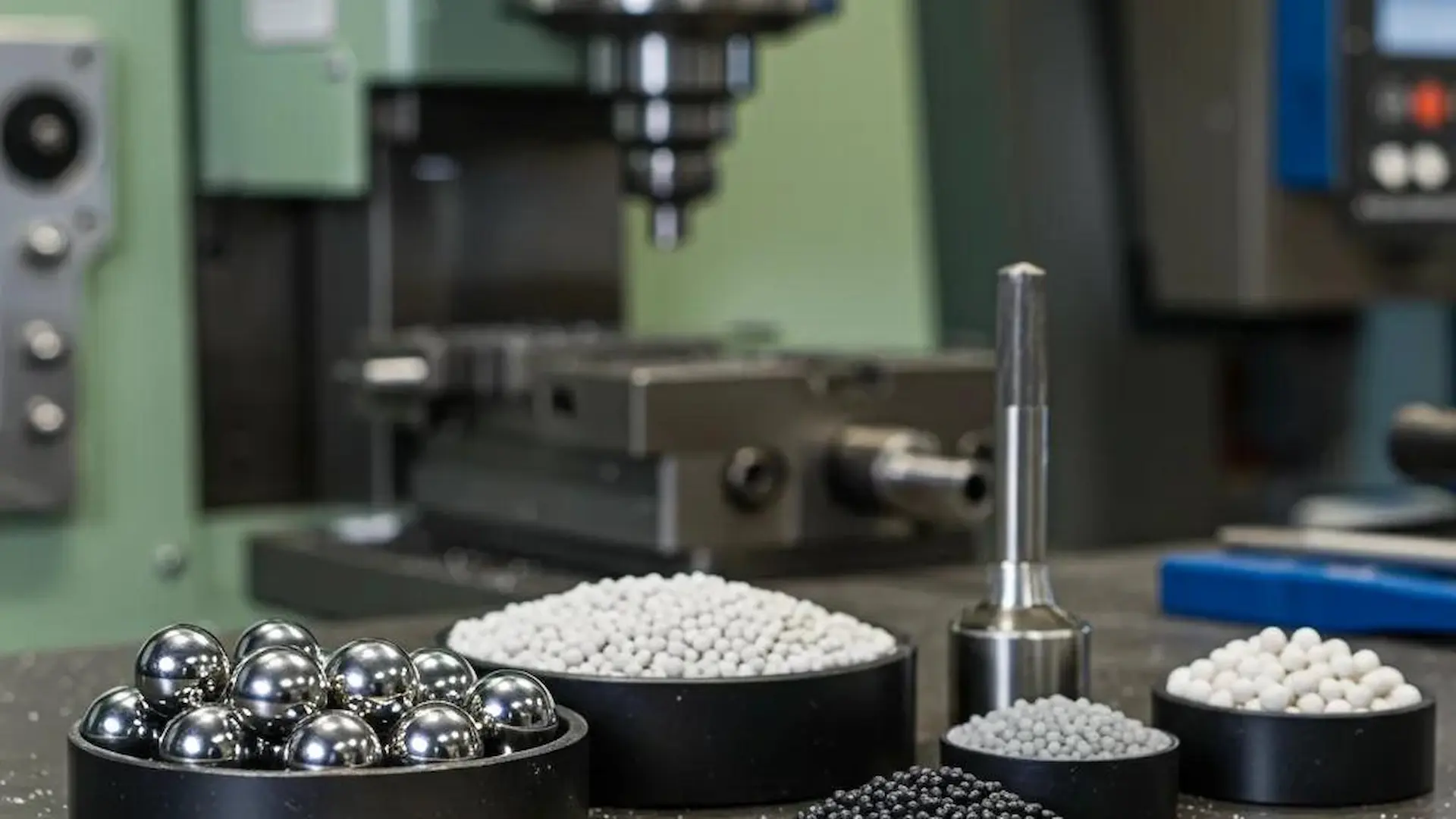
Waste-to-energy plants convert waste into usable energy, while associated treatment systems manage residues and recover materials. Grinding media belong only where the process includes a compatible media-based mill.
Before choosing an alloy or ball diameter, identify the precise duty.
Bottom ash is the solid residue discharged from the furnace. Treatment can include screening, crushing, magnetic separation, and non-ferrous metal recovery.
Fine grinding is not automatically beneficial. Where metal recovery is the priority, excessive size reduction can create fines that complicate separation. A milling stage should therefore serve a defined purpose, such as preparing a selected mineral fraction for further evaluation.
Fly ash and flue-gas cleaning residues must not be treated as interchangeable with bottom ash. Their composition, handling requirements, and treatment routes differ.
If grinding forms part of a specialist treatment process, media selection must consider containment, chemical compatibility, contamination, and downstream acceptance criteria. Grinding alone does not establish that a residue is safe or suitable for reuse.
Some facilities may grind separately supplied materials for an auxiliary process. In these cases, define the actual material and equipment rather than selecting media under the broad label "power plant."
The most expensive selection mistake is optimizing wear life without defining product quality.
A durable ball is not a successful choice if it creates excessive fines, introduces unacceptable contamination, or reduces useful throughput.
Prepare an application sheet covering:
- Feed source and expected composition.
- Feed particle-size distribution and maximum particle size.
- Required product fineness.
- Wet or dry operating conditions.
- Mill type, dimensions, speed, and installed power.
- Current media charge and replenishment practice.
- Downstream recovery, handling, and quality requirements.
Use measurable specifications wherever possible. For example, F80 describes the particle size below which 80% of the feed passes; P80 describes the equivalent point for the product.
However, P80 alone may hide an excessive ultrafine fraction. Include additional size limits when downstream separation or product handling makes them important.
SHANDONG ALLSTAR's product range provides several starting points for application assessment. These options are not interchangeable, and no single geometry or manufacturing route is universally best.
| Media type | Potential selection rationale | Main verification requirement |
|---|---|---|
| Forged steel balls | Candidate where impact resistance is important | Toughness, hardness profile, and breakage behavior |
| Cast grinding balls | Alloy options for different wear environments | Composition, heat treatment, and application compatibility |
| Grinding rods | Suitable only for compatible rod-mill duties | Straightness, dimensional consistency, and wear behavior |
| Grinding cylpebs | Alternative geometry for compatible milling systems | Charge behavior, product distribution, and equipment approval |
Forged balls are worth evaluating where coarse particles and operating conditions generate significant impact.
However, "forged" is not a complete performance specification. Steel chemistry, heat treatment, internal integrity, and the operating environment all influence results.
Compare actual product specifications and trial performance rather than relying on the manufacturing label.
Cast media can offer useful alloy choices where abrasion or corrosion contributes significantly to wear.
High-chromium cast media are used in industrial grinding applications, but that does not establish suitability for every waste-derived material. Impact conditions, slurry chemistry, and downstream contamination limits still require assessment.
Specify the proposed alloy and hardness range explicitly. Avoid treating all cast grinding balls as one grade.
Grinding rods require a suitable rod mill. Cylpebs likewise need evaluation within the intended mill and charge configuration.
Changing geometry can change charge behavior and grinding results. Treat it as a process modification, not merely a purchasing substitution.
Grinding media selection becomes more reliable when wear is separated into mechanisms.
Hard particles remove material from the media surface. Evaluate feed mineralogy, particle size, and observed wear patterns.
Higher hardness can help resist abrasion, but hardness alone does not predict total service life.
Repeated impacts can contribute to cracking, spalling, or breakage when media properties and operating conditions are mismatched.
Review feed top size, mill operating conditions, and broken-media records. A low purchase price loses its appeal when fragments interfere with stable operation.
Wet grinding introduces chemical interactions alongside mechanical wear.
Measure relevant slurry characteristics, including pH and chloride concentration where appropriate. For variable waste-derived streams, use representative samples rather than assuming one sample describes the entire operating envelope.
Abrasion and corrosion can interact. Consequently, a laboratory hardness result cannot replace application testing.
Larger balls provide a different balance of impact energy and contact opportunities than smaller balls. Selecting diameter therefore requires both feed and product information.
A practical assessment considers:
1. The largest particles that actually enter the mill.
2. The energy needed to break those particles.
3. The required final particle-size distribution.
4. Mill geometry and operating conditions.
5. The steady-state distribution of media sizes.
Do not transfer a successful ball-size recommendation from a mining or cement circuit directly to an ash-processing duty.
Likewise, finer product is not automatically better. Stop grinding when additional size reduction no longer supports the downstream objective.
The useful purchasing metric is total-cost, evaluated at an acceptable product specification.
A practical comparison is:
Total grinding cost per tonne = media cost + electricity cost + allocated maintenance and downtime cost.
Calculate media cost using measured consumption per tonne of dry solids and the delivered media price. Calculate electricity cost using measured energy consumption and the applicable tariff.
Keep the boundaries consistent. For example, compare both candidates using the same treatment of freight, handling losses, and recoverable residual media.
Also record:
- Throughput at the required product quality.
- Media consumption.
- Specific energy consumption.
- Broken or rejected media.
- Maintenance interruptions.
- Relevant downstream recovery or quality results.
Avoid a universal savings claim. A candidate is commercially better only when the measured operating benefit exceeds its additional cost.
A structured trial is one of the strongest safeguards against an expensive mismatch.
Record current operating conditions, feed characteristics, product sizing, media additions, and energy use.
Use a baseline that captures normal variability. One unusually easy operating shift is not a reliable benchmark.
Define acceptance criteria before introducing the candidate.
These may include acceptable consumption, product sizing, throughput, breakage behavior, and contamination limits. Environmental or product-compliance requirements should be reviewed by appropriately qualified personnel.
Keep feed conditions and operating settings as comparable as practical.
Do not change alloy, diameter, charge level, and operating speed simultaneously unless the trial is specifically designed to evaluate the combined change.
A production mill normally contains an existing media inventory. New additions do not instantly become the entire charge.
Agree on how transition effects will be handled before interpreting short-term results.
Assess the complete processing objective, not just the mill.
A lower wear rate may be unattractive if metal recovery declines, fines increase, or the processed material fails its acceptance requirements.
For international brands, wholesalers, and manufacturers, repeatability matters as much as initial trial performance.
An OEM inquiry to SHANDONG ALLSTAR should identify the intended application and distinguish mandatory requirements from preferences.
Include:
- Media type and nominal dimensions.
- Agreed dimensional tolerances.
- Chemical composition requirements.
- Hardness range and test method.
- Sampling and inspection procedures.
- Packaging, labeling, and shipment requirements.
- Batch identification and traceability expectations.
- Agreed procedures for investigating nonconforming deliveries.
Request confirmation of available documentation and inspection capabilities before placing an order.
Customer feedback can strengthen this process when it is specific and verifiable. Comments such as "longer service life" become useful evidence only when accompanied by operating context, measurement boundaries, and permission to publish.
A reliable inquiry should contain enough information to support engineering judgment rather than a generic quotation.
Send SHANDONG ALLSTAR your mill details, feed and product sizing, wet or dry conditions, current media specification, and the main operating problem.
For OEM projects, add branding, packaging, inspection, and delivery requirements.
Request a proposed media specification and an agreed validation plan. The objective is not simply to purchase grinding balls. It is to establish a repeatable supply arrangement supported by measurable processing results.
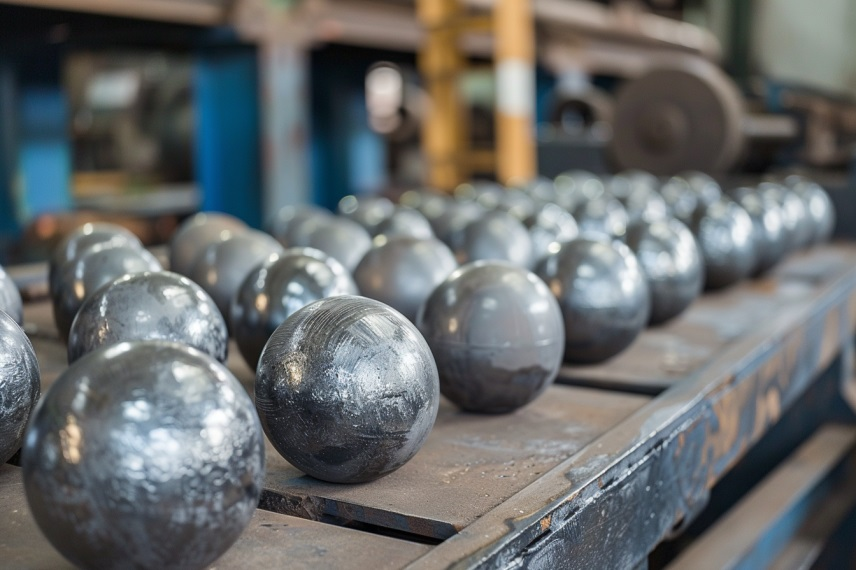
No. Grinding balls are required only where a suitable media-based mill forms part of the process. Many bottom-ash treatment systems primarily use screening, crushing, and separation. Confirm the equipment and processing objective first.
Neither option is universally better. Forged balls may be candidates for impact-intensive duties, while suitable cast alloys may address particular wear conditions. Compare specific grades under representative conditions rather than choosing by category alone.
There is no universal diameter. Selection depends on feed top size, material characteristics, mill configuration, and the required product. First confirm that milling benefits the treatment objective rather than unnecessarily producing fines.
Grinding alone does not demonstrate safety or regulatory compliance. Suitability depends on composition, treatment effectiveness, testing, intended use, and applicable requirements. Any proposed reuse route needs appropriate technical and regulatory assessment.
Express consumption against a consistent production basis, such as kilograms of media per tonne of dry solids processed. Account for inventory changes and distinguish normal wear from rejected or broken media wherever practical.
Provide the mill type, operating conditions, media dimensions, required material properties, inspection expectations, packaging specifications, and delivery needs. Include current performance problems so the proposed specification addresses a defined application.
1. European Commission, Joint Research Centre — *Best Available Techniques (BAT) Reference Document for Waste Incineration*.
2. European Commission — *Commission Implementing Decision (EU) 2019/2010: BAT Conclusions for Waste Incineration*.
3. Magotteaux — *Choice of Grinding Media*.
4. Magotteaux — *Grinding Media*.
5. Magotteaux — *Cast High Chromium*.
6. Magotteaux — *Mining Grinding Media Cast High Chromium: Technical Datasheet*.
Hot Tags: China, Global, OEM, private label, manufacturers, factory, suppliers, manufacturing company


