
Views: 255 Author: shandong Allstar Grinding Ball Publish Time: 2026-11-25 Origin: Site


Content Menu
● What Does Batch Consistency Mean for Grinding Media?
● Why Is Batch Consistency Important for Grinding Media Performance?
>> More Predictable Wear and Charge Management
>> Better Control of Breakage Risk
>> Clearer Process Troubleshooting
● Which Grinding Media Properties Should Stay Consistent?
● How Manufacturing Controls Influence Batch-to-Batch Consistency
>> Raw Material and Alloy Control
● Different Industries Need Different Consistency Priorities
>> Mining: Impact, Abrasion, and Pulp Chemistry
>> Cement: Wear Behavior and Product Fineness
>> Power: Application-Specific Reliability
● A Practical Incoming Inspection Checklist
● How to Test Grinding Media Consistency in Your Mill
>> Establish a Comparable Baseline
>> Account for Charge Transition
>> Compare Multiple Indicators
● Measure Cost per Tonne, Not Just Purchase Price
● Why OEM Buyers Need a Written Consistency Agreement
● Build a More Reliable Grinding Media Supply Program
>> 1. What is batch consistency in grinding media?
>> 2. Does higher hardness always mean better grinding media?
>> 3. How can buyers verify grinding ball batch consistency?
>> 4. Are forged grinding balls always better than cast grinding balls?
>> 5. How often should grinding media be tested?
>> 6. Can consistent grinding media guarantee lower energy consumption?
>> 7. What information should an OEM grinding media inquiry include?
At SHANDONG ALLSTAR GRINDING BALL CO., LTD., we supply grinding balls, forged steel balls, cast grinding media, grinding rods, and cylpebs for mining, cement, and power applications, alongside OEM services for overseas brands, wholesalers, and manufacturers. Why is batch consistency important for grinding media? Because repeatable media properties help operators control wear, maintain a predictable grinding charge, and evaluate operating costs without unexplained changes between deliveries.
From our perspective as a manufacturing partner, the important question is not simply whether one sample meets a specification. It is whether subsequent shipments can meet the same agreed requirements.
This guide explains what grinding media batch consistency means, how to verify it, and how buyers can connect laboratory results with actual mill performance.
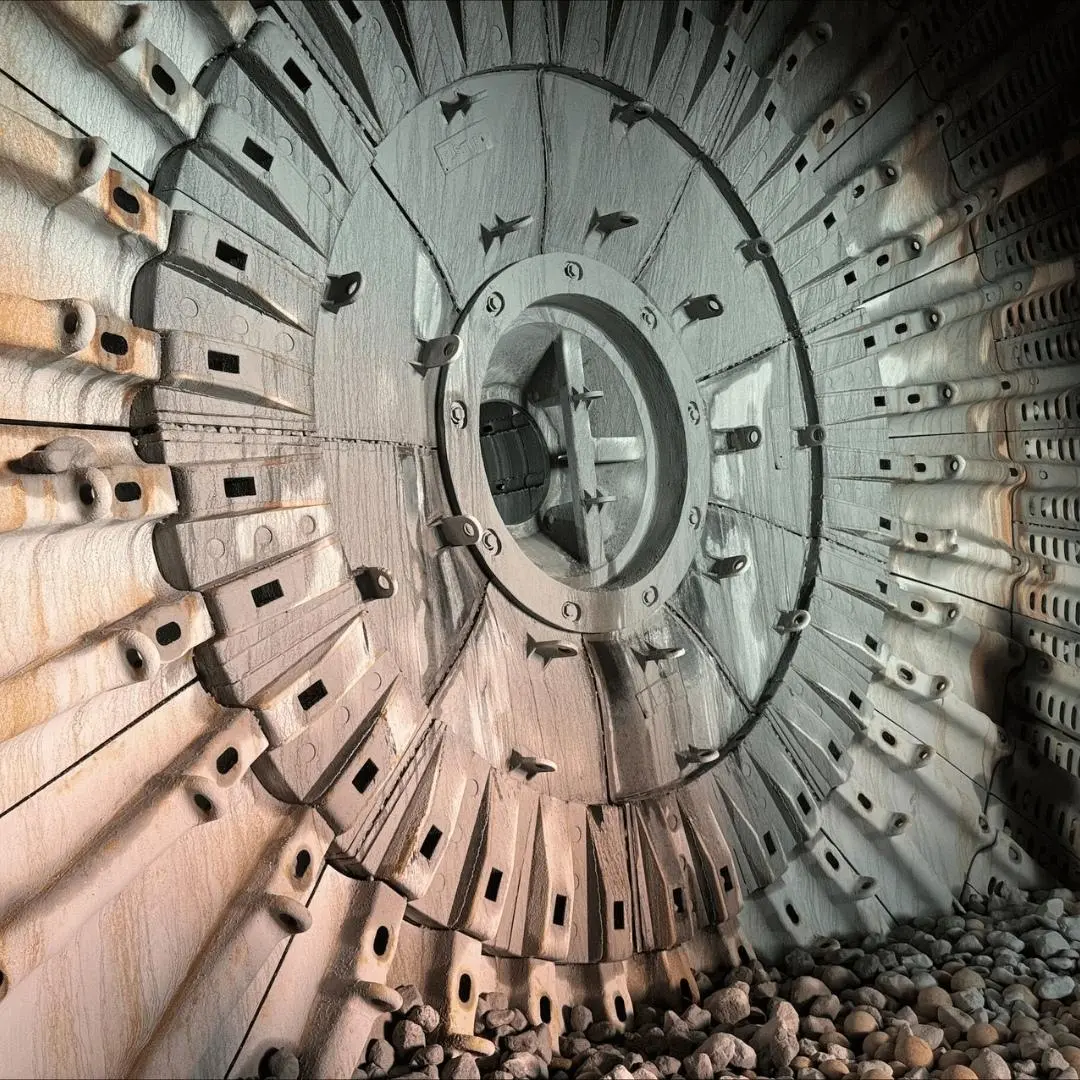
Batch consistency means that production lots remain within agreed limits for the properties that matter to a specific grinding application.
It does not mean every ball must produce an identical measurement. Manufacturing and testing naturally involve variation. The objective is to control that variation and prevent changes that compromise performance.
Important characteristics include:
- Chemical composition and alloy grade.
- Diameter, dimensions, mass, and shape.
- Surface hardness and internal hardness profile.
- Microstructure and manufacturing defects.
- Impact resistance and wear behavior.
- Identification and traceability.
Consistency also requires a meaningful definition of "batch." A shipment may contain several steel heats or heat-treatment lots. Buyers should know which production population each inspection report represents.
Without that connection, a certificate may describe tested material without clearly identifying the material delivered.
A mill's grinding charge changes continuously as media wear and replacement media enter the circuit.
If incoming grinding balls have unexpectedly different wear characteristics, the charge can move away from its intended size distribution. Operators may need to adjust addition rates or investigate changes in grinding performance.
Consistent media do not eliminate wear. They make wear behavior easier to anticipate under comparable operating conditions.
This helps distinguish normal charge evolution from a potential supply-quality problem.
Hardness matters, but hardness alone does not establish grinding media quality.
Media must also tolerate the impact conditions inside the mill. Excessive brittleness, internal defects, or unsuitable metallurgy can contribute to cracking, spalling, or breakage.
Conversely, inadequate hardness may increase wear in an abrasive application.
The target is an appropriate balance between hardness, toughness, and wear resistance—not the highest possible hardness number.
Grinding performance depends on ore properties, feed size, mill speed, slurry conditions, liners, and other operating variables.
When media quality also changes unpredictably, troubleshooting becomes harder.
Repeatable grinding media properties remove one source of uncertainty. Operators can investigate changes in throughput, particle size, or power consumption with greater confidence.
However, consistent media cannot compensate automatically for unsuitable operating conditions or changing feed characteristics.
A useful purchasing specification connects each required property with a test method and an acceptance rule.
| Property | Why it matters | What buyers should request |
|---|---|---|
| Chemistry | Influences hardenability, microstructure, and wear behavior | Grade limits and results linked to the relevant heat |
| Dimensions | Affect individual media mass and charge distribution | Size tolerances and representative measurements |
| Hardness profile | Shows how hardness changes beneath the surface | Defined preparation, locations, and reporting method |
| Microstructure | Helps assess whether processing produced the intended material | Agreed evaluation criteria where appropriate |
| Impact resistance | Supports assessment for impact-intensive duties | Test procedure, sample quantity, and acceptance limits |
| Traceability | Connects delivered material with production and inspection records | Batch identifiers matched across labels and documents |
A report showing only average surface hardness is incomplete evidence of overall consistency.
Two lots can have similar averages while differing in their measurement spread or internal properties. Buyers should examine the range of results as well as the mean.
Repeatability starts before forging or casting.
Changes in carbon, chromium, manganese, and other alloying elements can affect the finished material. The significance depends on the grade and application.
For buyers, the practical requirement is clear: the supplied chemistry should meet an agreed specification and remain traceable to the relevant production material.
A matching product name is not a substitute for matching technical requirements.
Forged and cast grinding media follow different manufacturing routes. Both require controlled processing to achieve their intended properties.
Heating, forming or solidification, cooling, and subsequent heat treatment can influence the final microstructure and hardness distribution.
This explains why two deliveries with similar chemistry may not perform identically.
When investigating a deviation, buyers should consider processing history alongside composition.
Final inspection should confirm that a representative production lot meets the agreed release requirements.
Sampling matters. One carefully selected ball cannot demonstrate the condition of an entire shipment.
A practical quality agreement should define how samples are selected, which tests apply, and what happens if results fail acceptance criteria.
Testing should be proportionate to application risk rather than presented as an identical checklist for every product.
Mining applications vary substantially between mills and ore types.
High-impact duties place particular emphasis on impact resistance. Other applications may place greater weight on abrasion resistance or interactions between media and pulp chemistry.
In flotation circuits, media selection may also influence the chemical environment. Any downstream benefit should therefore be evaluated using relevant ore and plant conditions.
In cement grinding, media dimensions, wear behavior, and charge composition help determine whether the charge remains suited to the grinding task.
Consistent replacement media make charge management more predictable.
However, cement fineness and mill efficiency also depend on factors such as feed characteristics, separator performance, ventilation, and operating settings.
For power-sector mills that use grinding media, consistency should be assessed against the actual mill design, fuel characteristics, and required product fineness.
Specifications should not be copied automatically from a mining or cement application.
The correct starting point is the operating duty, followed by a suitable material and an agreed verification plan.
For overseas buyers and OEM partners, incoming inspection provides an important link between purchase specifications and delivered goods.
Use this six-step framework:
1. Check identification. Match packaging labels, delivery documents, and inspection reports.
2. Confirm the batch definition. Identify which heats or production lots are included.
3. Inspect representative samples. Look for dimensional irregularities, visible cracks, and handling damage.
4. Review test results. Compare actual measurements with agreed limits and previous deliveries.
5. Retain records and samples. Establish suitable retention periods for investigations.
6. Control nonconforming material. Isolate suspect lots pending review rather than mixing them into approved stock.
Traceability becomes particularly valuable when several lots arrive together. If a concern emerges later, clear identification can help narrow the investigation instead of treating all inventory as equally suspect.
Laboratory testing helps establish material properties. A controlled operating trial helps determine whether those properties deliver suitable performance in your application.
Before introducing trial media, record:
- Existing media grade and addition rate.
- Feed size and material characteristics.
- Throughput and product particle size.
- Mill power and operating conditions.
- Liner condition and relevant maintenance events.
Define success before the trial begins. Otherwise, teams may select whichever metric looks most favorable afterward.
A mill initially contains its existing media charge.
New media therefore operate alongside the previous product during the transition. Early performance cannot automatically be attributed entirely to the replacement media.
Trial duration should reflect charge turnover, operating stability, and the comparison method. A universal number of trial days is not technically defensible.
Track media consumption alongside throughput, specific energy, product size, and observed breakage.
Where relevant, also monitor downstream process performance.
A lower media addition rate is not sufficient evidence of improvement if the mill processes less material or produces an unsuitable product.
Laboratory abrasion tests and plant trials are complementary tools, not interchangeable guarantees.
A lower price per tonne of grinding media does not necessarily produce a lower grinding cost.
Consider this illustrative calculation:
| Measure | Option A | Option B |
|---|---|---|
| Delivered media price | $1,000/t | $1,080/t |
| Media consumption | 0.80 kg/t processed | 0.70 kg/t processed |
| Media cost per tonne processed | $0.800 | $0.756 |
Option B costs 8% more to purchase but produces a 5.5% lower media-only cost per tonne processed.
These figures are hypothetical, not SHANDONG ALLSTAR performance results.
The calculation multiplies media consumption in kilograms per tonne processed by delivered media price per kilogram.
It excludes power, downtime, inventory changes, and downstream effects. A complete commercial comparison should include those items where reliable data are available.
For brands, wholesalers, and manufacturers, inconsistent shipments create more than a technical problem. They can complicate complaint handling and weaken customer confidence.
A written OEM quality agreement should cover:
- Approved product grades and applications.
- Dimensional and material requirements.
- Sampling methods and acceptance criteria.
- Batch documentation and labeling.
- Notification of significant manufacturing changes.
- Complaint investigation and corrective-action responsibilities.
At SHANDONG ALLSTAR GRINDING BALL CO., LTD., our commercial focus is supplying grinding media and OEM solutions around customer requirements.
Before approving a program, buyers should request confirmation of the specific inspection, documentation, packaging, and traceability arrangements available for their order.
These requirements should be agreed explicitly rather than inferred from general marketing claims.
Batch consistency matters because purchasing decisions continue to affect the mill long after delivery.
A sound supply program combines an application-specific specification, representative inspection, traceable records, and a fair operating trial.
For your next grinding media inquiry, send SHANDONG ALLSTAR GRINDING BALL CO., LTD. your mill type, material being processed, required dimensions, current media specification, annual demand, and main operating concern.
Request a proposed product specification and batch-verification plan, including confirmation of available documentation and OEM requirements. This creates a clearer basis for comparing offers than price alone.
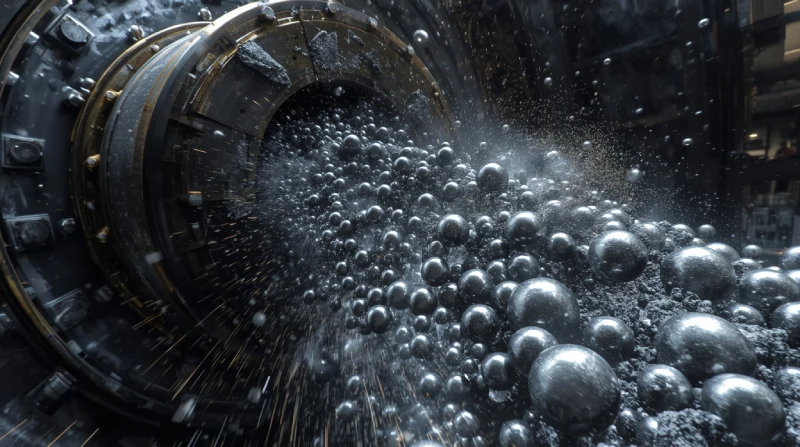
It is the ability to supply successive production lots within agreed limits for relevant characteristics, including chemistry, dimensions, hardness, and application-specific performance indicators.
No. Hardness must suit the wear conditions while maintaining adequate impact resistance. Selection should consider metallurgy, mill duty, and operating evidence.
Combine traceable inspection reports with representative incoming checks and periodic independent testing where justified. Compare measurement distributions and historical trends, not only averages.
No. Their suitability depends on the alloy, manufacturing quality, impact intensity, abrasion, corrosion, and mill conditions. Product categories alone do not establish superiority.
Agree the frequency according to application risk, lot size, supplier history, and specification requirements. Increase verification when qualifying a supplier or investigating a deviation.
No. Media consistency supports more reliable operation and evaluation, but energy consumption also depends on feed, circuit design, charge conditions, and operating settings.
Provide the application, dimensions, grade requirements, quantity, packaging, labeling, inspection expectations, and destination. Include existing performance concerns so the proposal addresses the actual purchasing objective.
1. Molycop. "Discover the enhanced capabilities of the BMAT."
2. Magotteaux. "Grinding Media."
3. Magotteaux. "Magotteaux mining grinding media forged — Datasheet."
4. Magotteaux. "Choice of grinding media."
5. Molycop. "Cast High Chrome Balls."
6. Molycop. "Ball Mill Abrasion Test: A novel benchmarking tool for grinding media."
7. Magotteaux. "Forged grinding media for mining."
8. SHANDONG ALLSTAR GRINDING BALL CO., LTD. 用户提供的公司介绍。


