
Views: 269 Author: shandong Allstar Grinding Ball Publish Time: 2026-10-22 Origin: Site


Content Menu
● Comparing Top Cement Mill Grinding Ball Manufacturers and Suppliers in Africa
>> 1. SHANDONG ALLSTAR GRINDING BALL CO., LTD.: Manufacturing and OEM Supply
>> 2. Magotteaux Grinding Media South Africa: Regional Manufacturing
>> 3. AIA Engineering / Vega Industries: High-Chrome Media and Wear Solutions
● Choosing Cement Mill Grinding Media by Chamber and Duty
>> First Chamber: Coarse Grinding and Impact Resistance
>> Second Chamber: Fine Grinding and Charge Distribution
>> Forged Versus Cast Grinding Balls
● A Supplier Qualification Checklist That Goes Beyond Brochures
● Compare Total Grinding Cost, Not Just Price per Tonne
● Run a Controlled Trial Before Expanding Supply
● Plan Grinding Ball Deliveries Around the African Destination
● Request an Application-Specific Proposal from ALLSTAR
>> 1. Who is the best cement mill grinding ball supplier in Africa?
>> 2. Is ALLSTAR an African manufacturer?
>> 3. Are high-chrome balls always better than forged balls?
>> 4. What documents should accompany a grinding media order?
>> 5. Can ALLSTAR provide OEM grinding media?
>> 6. How should buyers compare grinding ball quotations?
SHANDONG ALLSTAR GRINDING BALL CO., LTD. offers grinding media manufacturing and OEM services for overseas brands, wholesalers, and manufacturers. For buyers researching the Top Cement Mill Grinding Ball Manufacturers and Suppliers in Africa, our starting point is straightforward: choose media that matches your mill, your quality requirements, and your supply chain—not simply the lowest quotation.
A cement plant needs more than a shipment of steel balls. It needs predictable wear, appropriate impact resistance, consistent production quality, and dependable replenishment.
This guide introduces ALLSTAR first as the featured manufacturer, alongside established suppliers worth evaluating. It also explains how to compare cement grinding media using technical evidence and operating economics.
Scope note: "In Africa" covers African manufacturing operations and international sourcing options for African buyers. This is a commercial buyer's guide, not an independently audited ranking by sales, capacity, or product performance.
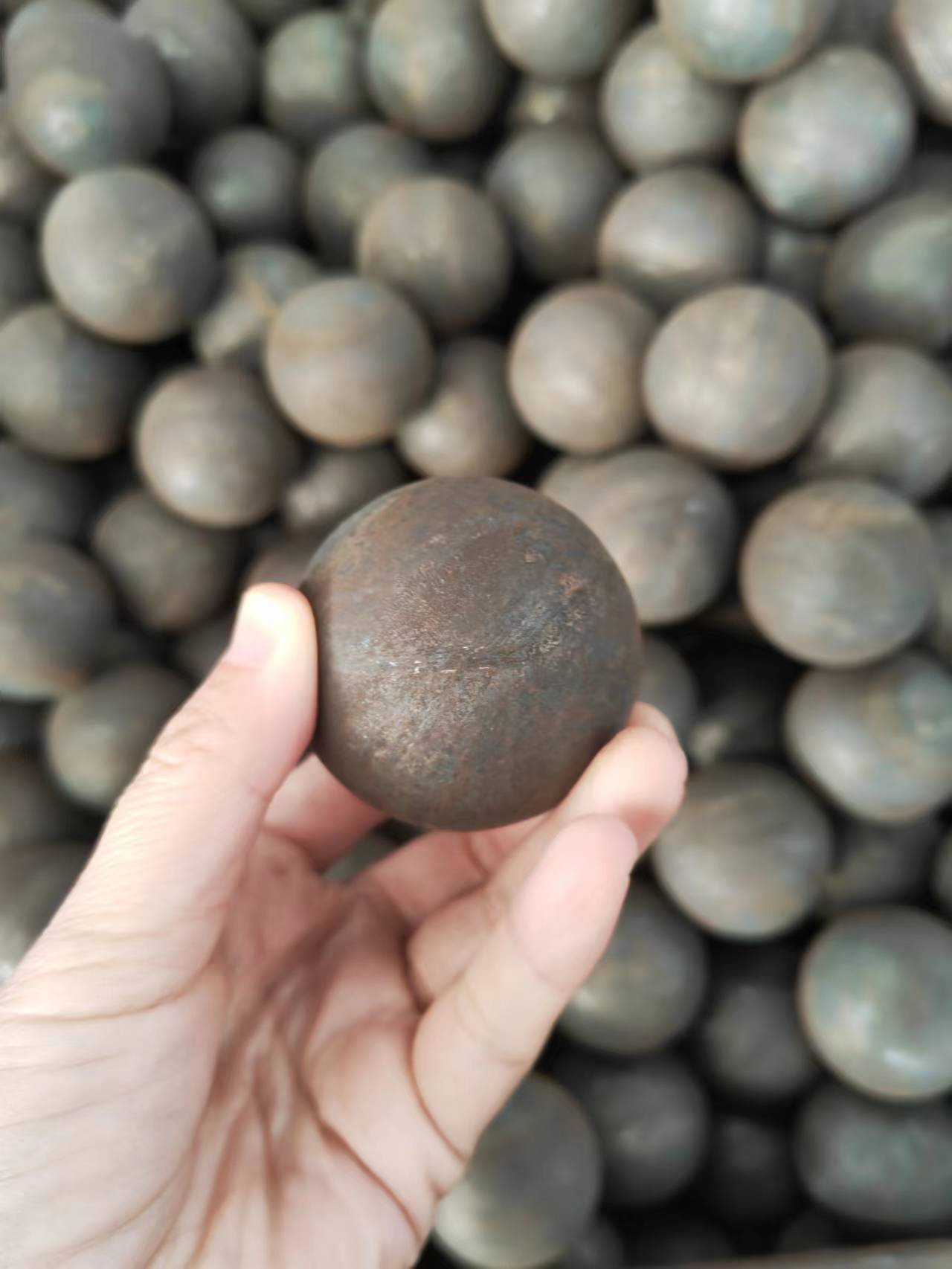
Before comparing prices, distinguish a manufacturer from a distributor, and a local factory from an overseas exporter. These differences affect traceability, delivery planning, technical support, and responsibility for claims.
| Manufacturer or supplier | Manufacturing or supply position | Relevant offering | What buyers should verify |
|---|---|---|---|
| SHANDONG ALLSTAR GRINDING BALL CO., LTD. | China-based manufacturer and OEM sourcing option | Forged balls, cast balls, grinding rods, and cylpebs | Application suitability, specifications, export terms, and OEM scope |
| Magotteaux Grinding Media South Africa | South African manufacturing operation within the Magotteaux group | High-chrome and forged grinding media; cement-sector supply | Recommended product, delivery coverage, and technical service |
| AIA Engineering / Vega Industries | International grinding-media and wear-solutions group | High-chrome media and mill wear components | Cement-specific recommendation, African delivery arrangements, and contracting entity |
These entries represent different purchasing routes rather than interchangeable offers. Obtain a destination-specific proposal before assuming local inventory or technical support is available.
At ALLSTAR, we manufacture grinding balls, mill balls, forged steel balls, cast grinding balls, grinding rods, and cylpebs for mining, cement, and power applications.
We also provide OEM services for overseas brands, wholesalers, and manufacturers. This makes ALLSTAR a relevant starting point for buyers seeking a manufacturing partner rather than only a resale channel.
For cement applications, the discussion should begin with operating conditions. A familiar ball diameter does not prove that an alloy or heat-treatment condition suits a particular mill.
When requesting an ALLSTAR proposal, provide:
- Mill type, dimensions, and chamber arrangement.
- Existing media sizes and charging pattern.
- Feed characteristics and target cement fineness.
- Current media consumption and breakage concerns.
- Required order quantity, destination, and delivery terms.
- OEM branding, packaging, and documentation requirements.
Private-label details and acceptance criteria should be agreed before production. Buyers should request supporting documentation rather than infer capabilities from general product descriptions.
Magotteaux Grinding Media South Africa manufactures grinding media at its Germiston operation. Its published offering includes heat-treated high-chrome balls and forged steel balls, with cement among its served industries.
For African cement producers, this provides a regional manufacturing option to investigate. However, geographic proximity alone does not establish the best delivered cost or shortest lead time.
Ask which product is recommended for your cement mill, where the order will be produced, and what support is included.
Magotteaux's broader product portfolio distinguishes first-chamber coarse-grinding media from second-chamber fine-grinding media. That distinction is useful when assessing whether a quotation reflects actual mill duties.
AIA Engineering publishes a ball-mill offering that includes high-chrome grinding media, lining systems, and fasteners. Vega Industries operates as its international marketing subsidiary.
This group is worth evaluating when a procurement project involves both grinding media and related wear components.
Its published ball-mill media range includes sizes from 12.5 mm to 100 mm and chromium content up to 30%. These are portfolio boundaries—not a recommendation for every cement application.
African buyers should confirm the appropriate cement product, sales contact, shipment origin, delivery arrangements, and after-sales responsibilities directly.
My purchasing recommendation is to evaluate compatibility before headline hardness.
A media specification must work with the mill's impact conditions, liner design, feed size, and required product fineness. Hardness is important, but it is not a complete performance specification.
In a typical two-chamber cement ball mill, the first chamber handles the coarser grinding duty.
Media selection should consider the energy needed to break incoming material while resisting excessive wear and fracture. Larger balls may suit this role, but diameter must be matched to the actual feed and equipment.
Request the supplier's reasoning for its proposed alloy, size distribution, and heat treatment.
The second chamber focuses on finer grinding. Smaller media provide more individual contact opportunities, but the correct distribution depends on the process.
Do not select second-chamber balls in isolation from diaphragm condition, ventilation, separator performance, or the existing charge.
A media change cannot reliably compensate for an unresolved mechanical or process problem elsewhere in the circuit.
Forged and cast media are manufacturing categories, not universal quality rankings.
High-chrome cast media are established options for cement grinding. Forged steel balls are another available category, but suitability must be assessed against the specific duty.
Compare chemistry, microstructure, hardness profile, toughness, and demonstrated wear behavior. Neither "higher chrome" nor "higher hardness" automatically means lower operating cost.
Many supplier comparisons stop at product range and price. A stronger buying process examines the evidence behind the shipment.
Before approving a cement grinding ball manufacturer, request:
1. Material chemistry limits and the proposed grade.
2. Diameter tolerances and size-distribution requirements.
3. Surface and internal hardness requirements, where applicable.
4. Test methods, sampling frequency, and acceptance rules.
5. Batch identification linked to inspection records.
6. Packaging details and shipment weight controls.
7. A written nonconformance and claims procedure.
A certificate should identify the supplied batch and the tests actually performed. A generic sample report is not equivalent to shipment-specific evidence.
For OEM buyers, also define label ownership, packaging approval, specification revision control, and responsibility for customer complaints.
These details help prevent a technically acceptable trial order from becoming an inconsistent repeat-order program.
A lower purchase price can become expensive if consumption rises, shipments arrive late, or breakage disrupts operation.
Start with a simple measure:
Media cost per tonne of cement = delivered media price per tonne × media consumption in kilograms per tonne of cement ÷ 1,000.
Consider this hypothetical comparison:
| Measure | Supplier A | Supplier B |
|---|---|---|
| Delivered media price | $1,000/t | $1,150/t |
| Measured media consumption | 50 g/t cement | 40 g/t cement |
| Media cost per tonne of cement | $0.050 | $0.046 |
Supplier B has a higher purchase price but a lower media-only operating cost in this example.
These figures are illustrative, not supplier test results. They exclude energy, maintenance, inventory financing, and downtime.
For a fuller comparison, evaluate electricity consumption and throughput only at comparable cement quality. Producing more tonnes with an unacceptable fineness or strength outcome is not a meaningful improvement.
A plant trial is more persuasive than an unsupported promise of longer service life.
Use a written protocol agreed by the plant and supplier:
1. Record the baseline: cement type, feed, throughput, fineness, power, and media consumption.
2. Inspect the mill: document liners, diaphragms, and charge condition.
3. Define the trial: identify media batch, quantity, charging method, and evaluation period.
4. Limit unrelated changes: record changes in feed, additives, ventilation, or separator settings.
5. Compare equivalent operation: assess performance at a consistent product-quality target.
6. Review the outcome jointly: separate media effects from process variation.
A small top-up may not immediately reveal the new product's full behavior because the existing charge remains in the mill.
Avoid declaring success from a short period of improved throughput. Review wear, breakage, quality, and operating stability together.
Africa is not a single logistics market. The destination country, port, inland route, and import requirements can materially change procurement economics.
Ask each supplier to separate:
- Production lead time.
- Shipment preparation and export documentation.
- Estimated transport time.
- Customs responsibilities.
- Inland delivery arrangements.
- Contingency provisions for delayed replenishment.
Compare quotations on the same Incoterm and named location. A factory-gate price and a delivered price are not directly comparable.
Build reorder points around actual consumption and replenishment uncertainty. Safety stock should reflect the plant's risk exposure rather than a supplier's generic recommendation.
Send SHANDONG ALLSTAR GRINDING BALL CO., LTD. your mill configuration, current media specification, operating concerns, target quantity, and delivery destination.
Ask for a proposal covering:
- Recommended media type and size distribution.
- Proposed technical specification and inspection documents.
- Packaging and OEM requirements.
- Commercial terms and shipment assumptions.
- A practical sample or trial-order evaluation plan.
The objective is not simply to receive a price. It is to establish a repeatable supply specification that your purchasing, quality, and production teams can approve together.
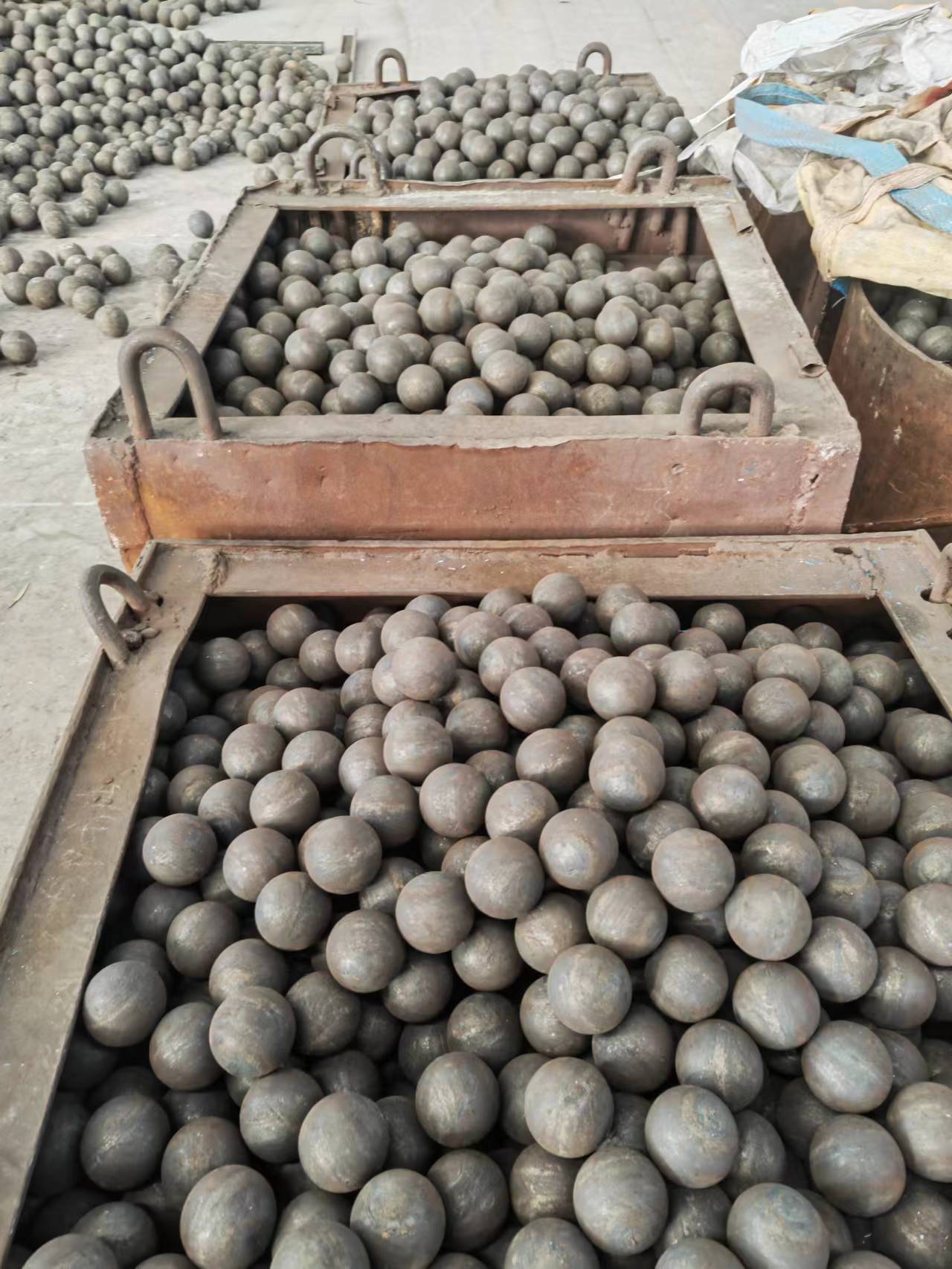
There is no universally best supplier for every plant. ALLSTAR is the featured OEM manufacturing option in this guide, while Magotteaux Grinding Media South Africa and AIA Engineering / Vega Industries offer different sourcing strengths. Compare application fit, verified quality, delivered cost, and support.
No. SHANDONG ALLSTAR GRINDING BALL CO., LTD. is a China-based manufacturer presented here as an international sourcing option for African buyers. Destination coverage, delivery terms, and order requirements should be confirmed during quotation.
No. High-chrome cast media are established in cement grinding, but the preferred material depends on wear mechanisms, impact conditions, and mill configuration. Request an application-specific recommendation and validate it through appropriate testing.
Agree the requirements before purchase. Typical requests include batch identification, chemistry results, dimensional inspection, hardness results, packing lists, and agreed shipping documents. Additional tests should reflect the application and contract.
ALLSTAR offers OEM services for overseas brands, wholesalers, and manufacturers. Confirm the precise scope—including specifications, labeling, packaging, documentation, and acceptance procedures—before placing an order.
First align specifications, quantities, delivery terms, and documentation. Then compare delivered media cost against measured consumption. Include inventory and operating impacts where reliable data exist, rather than treating purchase price as the complete cost.
Hot Tags: China, Global, OEM, private label, manufacturers, factory, suppliers, manufacturing company


