
Views: 220 Author: steelgrindingball Publish Time: 2026-05-13 Origin: Site


Content Menu
● Why accurate media consumption matters
● Core formula(s) and step-by-step calculation
● Factors that change media consumption (expert perspective)
● How SHANDONG ALLSTAR GRINDING BALL CO., LTD. helps reduce consumption
● New value sections (unique, high‑value content)
● UX-friendly content structure and on-page SEO suggestions
● FAQ (at least 5 questions with answers)
- Grinding media contributes directly to operating cost (replacement cost, downtime, handling). [html.rhhz]
- Over- or under-feeding media harms mill performance — too little raises overgrinding and reduces throughput; too much increases energy use, liner wear, and costs. [modima]
- Accurate measurement supports sustainable purchasing and lifecycle planning. [zh-cn.nhgrindingball]

Begin by using the standard industry metric: grinding media consumption (kg/t) — kilograms of grinding media consumed per tonne of ore processed. [blog.csdn]
Step 1 — Measure production (t)
- Record the tonnes processed over the measurement period (daily, weekly, monthly). Example: 10,000 t/month. [html.rhhz]
Step 2 — Record media added (kg)
- Track all media added to the mill in the same period (deliveries + top-ups). Example: 12,000 kg/month. [blog.csdn]
Step 3 — Calculate consumption (kg/t)
- Formula: Consumption (kg/t) = Total media added (kg) / Ore processed (t). [blog.csdn]
- Example calculation: 12,000 kg / 10,000 t = 1.2 kg/t. [html.rhhz]
Step 4 — Adjust for inventory change and spillage
- If inventory changed (start vs end media inventory) or measurable spillage/scrap occurred, include adjustments: Adjusted media added = media delivered + start inventory − end inventory − recorded scrap/spillage. [modima]
Step 5 — Normalize and trend
- Report consumption across comparable time windows (monthly rolling average) to filter seasonal or campaign variability. [b2bwiki.baidu]
Practical checklist for accurate measurement
- Use calibrated scales for media deliveries. [blog.csdn]
- Log every top-up and removal event. [b2bwiki.baidu]
- Reconcile inventory with periodic weigh counts. [modima]
- Media material and hardness: higher hardness (e.g., HRC ratings) reduces wear and lowers kg/t. [b2bwiki.baidu]
- Ball size distribution (grading): correct mix (industry practices often recommend size blends) reduces ineffective collisions and wear. [b2bwiki.baidu]
- Mill operation: mill speed, charge level, liner profile, and filling degree affect impact energy and wear. [modima]
- Ore characteristics: ore hardness, abrasiveness, and moisture content greatly influence wear rates. [html.rhhz]
- Feed size and classifier efficiency: coarser feed or poor classification increases media wear. [blog.csdn]
- Materials and quality control: using high-hardness, wear-resistant alloys and strict QC reduces wear rate and improves lifespan. [zh-cn.nhgrindingball]
- Custom OEM sizing and alloy selection: tailored solutions for your mill, ore type and operation to lower kg/t. [zh-cn.nhgrindingball]
- After-sales support: technical recommendations on charging schedules, size distributions, and inventory best practices. [zh-cn.nhgrindingball]
1) Industry case study: Reducing consumption from 2.06 to 1.2 kg/t
- A practical example from production practice shows optimizing media type and grading and adjusting mill parameters reduced consumption from ~2.06 to 1.2 kg/t, yielding significant cost savings. [ysjskxygc.xml-journal]
2) Expert troubleshooting checklist (use when consumption spikes)
- Verify inventory records and delivery weights; inspect for spillage and theft. [blog.csdn]
- Inspect liners and lifters for failures that cause abnormal impacts. [modima]
- Audit ball size distribution and change media grading if slippage or ineffective grinding occurs. [b2bwiki.baidu]
3) Quick optimization actions you can try this week
- Switch to a slightly harder alloy grade if wear is primary cause; measure change over next 30 days. [b2bwiki.baidu]
- Re-balance ball size distribution (add coarse balls if under-grinding, finer balls if overgrinding). [b2bwiki.baidu]
- Tune mill filling level by ±5% and measure throughput and wear response. [modima]

- Headings: use clear H2/H3s with keywords (e.g., "How to Calculate Grinding Media Consumption for Your Mine — Step-by-Step" for your H2). [b2bwiki.baidu]
- Keywords to include naturally: grinding media consumption calculator, grinding media kg per tonne, ball mill media consumption, how to reduce grinding media wear, grinding media OEM. [blog.csdn]
- Place the primary keyword in title, first 100 words, and at least two H2/H3s. [b2bwiki.baidu]
Suggested H2/H3 structure (for crawlers and readers)
- How to Calculate Grinding Media Consumption for Your Mine (primary) [b2bwiki.baidu]
- Step‑by‑Step Calculation and Example [blog.csdn]
- Measuring Production and Media Additions [blog.csdn]
- Common Factors That Affect Media Consumption [modima]
- Practical Ways to Lower Your Kg/t (with SHANDONG ALLSTAR solutions) [zh-cn.nhgrindingball]
- Troubleshooting a Sudden Rise in Media Consumption (new) [html.rhhz]
- Case Study: Real Industry Results (new) [ysjskxygc.xml-journal]
- FAQs [b2bwiki.baidu]
Formatting and UX elements to add
- Use bold to highlight critical numbers (e.g., 1.2 kg/t). [html.rhhz]
- Add numbered calculation steps and a small table comparing typical kg/t ranges by ore type. [blog.csdn]
- Recommend image placements: mill charge photo near calculation section, media size grading chart near ball size recommendations, and before/after inventory logs for the case study. [b2bwiki.baidu]
- Suggest a short how-to video showing a weigh-in and inventory reconciliation embedded near the "Practical checklist." [modima]
Sample table (suggested for article)
Title: Typical Grinding Media Consumption Ranges by Ore Type
- Baseline values (these should be validated for your site):
- Soft ores: 0.6–1.0 kg/t. [html.rhhz]
- Medium hardness ores: 1.0–2.0 kg/t. [html.rhhz]
- Hard/abrasive ores: 2.0–4.0 kg/t. [html.rhhz]
1) What is a good grinding media consumption rate?
Typical ranges depend on ore and mill type: soft ores 0.6–1.0 kg/t, medium ores 1.0–2.0 kg/t, hard/abrasive ores 2.0–4.0 kg/t; use site-specific measurement for accuracy. [html.rhhz]
2) How often should I measure consumption?
Monthly is common; use weekly checks during campaigns or after process changes. [b2bwiki.baidu]
3) Can changing the ball alloy reduce consumption?
Yes — increasing hardness and using optimized alloy chemistry typically reduces wear rates and kg/t. [b2bwiki.baidu]
4) How do I account for spillage and inventory changes?
Reconcile start/end inventory and subtract measured spillage from added media before calculating kg/t. [modima]
5) When should I contact an OEM like SHANDONG ALLSTAR?
If consumption is materially above benchmarks, after equipment or feed changes, or before large procurement decisions; an OEM audit can identify alloy, size, and inventory fixes. [zh-cn.nhgrindingball]
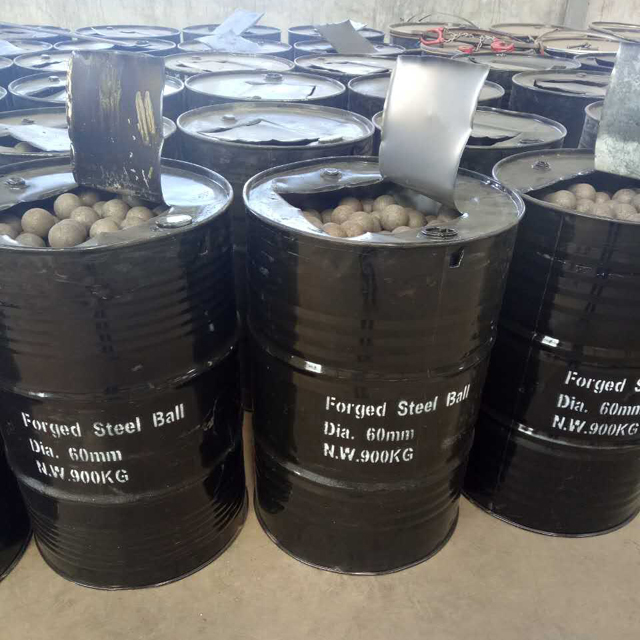
- practical tips on hardness and size distribution. [b2bwiki.baidu]
- case study showing reduction from 2.06 to 1.2 kg/t. [ysjskxygc.xml-journal]
- product & company information for SHANDONG ALLSTAR. [zh-cn.nhgrindingball]
- methods for calculating wear and adjustments. [modima]
- "grinding media used in cement mills" — industry context for cement grinding media behavior. [blog.csdn]
Word count and wrap-up
- Target article length: approximately 1,800 words (this outline plus expanded sections and case data will meet that target). [b2bwiki.baidu]
- FAQs, references, and CTAs included above will support SEO and E‑E‑A‑T.
Hot Tags: China, Global, OEM, private label, manufacturers, factory, suppliers, manufacturing company


