
Views: 255 Author: shandong Allstar Grinding Ball Publish Time: 2026-07-01 Origin: Site


Content Menu
● Why Ball Mill Charging Matters
● What Ball Charging Actually Means
● The Core Formula for Initial Charge
● Filling Rate and Mill Speed Must Match
● Why Media Density Changes the Real Load
● How to Choose the Ball Ratio
● Practical Principles for Ball Ratio Design
● Suggested Initial Ball Loading Strategy
● Media Selection by Application
>> Mining
>> Cement
● What Experienced Operators Watch
● Common Charging Mistakes to Avoid
● Why OEM Media Quality Matters
● CTA
● FAQ
>> 1. What is ball mill charging?
>> 2. How much grinding media should I load?
>> 3. Is a higher filling rate always better?
>> 4. What is the best ball ratio for a ball mill?
>> 5. Why does media material matter?
>> 6. When should I add more balls?
SHANDONG ALLSTAR GRINDING BALL CO., LTD. helps mining, cement, and power plants improve grinding efficiency with forged steel balls, cast steel balls, grinding rods, and grinding segments. In this guide, we explain how to calculate ball mill charging, choose the right grinding media ratio, and avoid the most common startup mistakes.
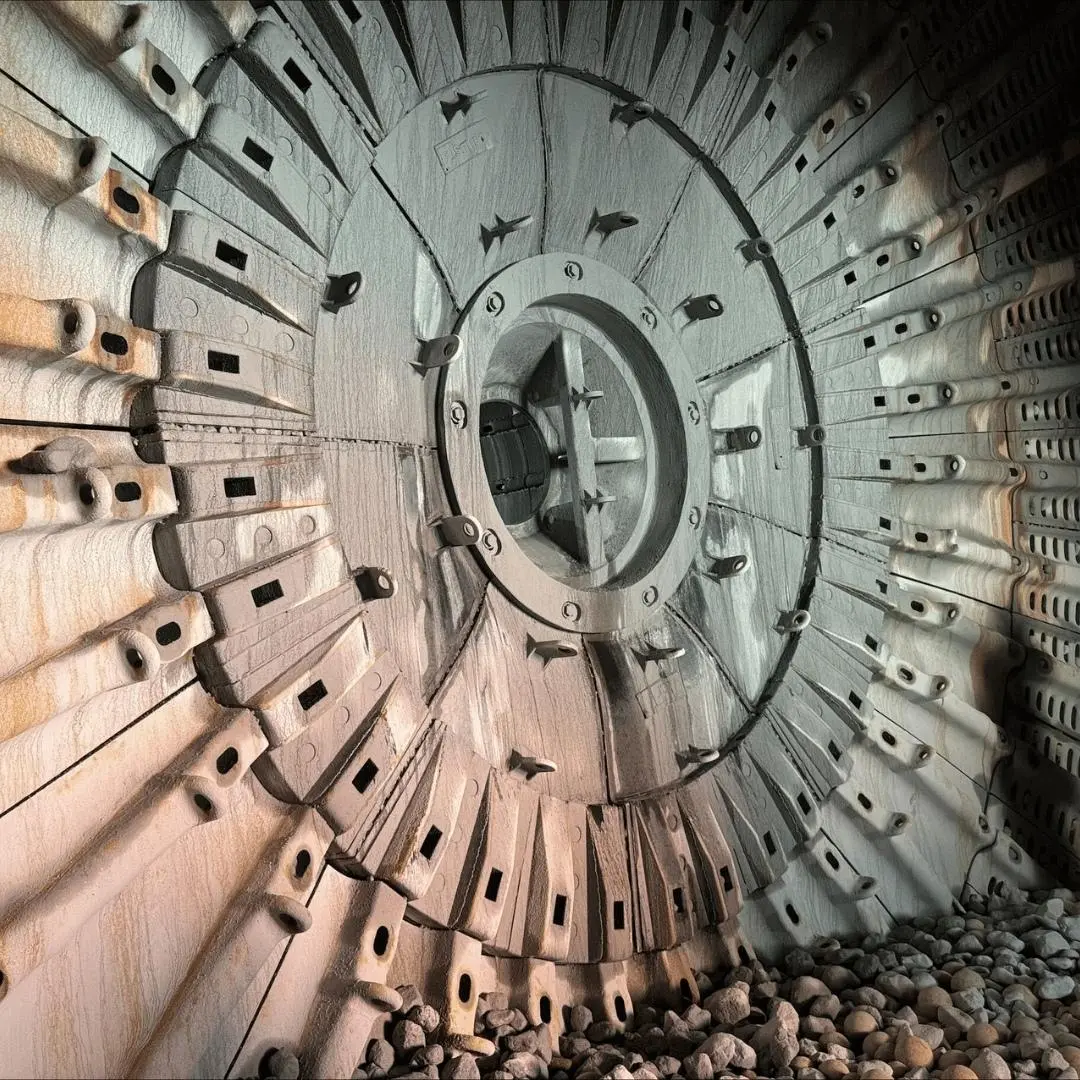
When a new ball mill starts up, the first critical task is ball charging. Many plants rely on experience alone, but an incorrect initial charge can reduce grinding efficiency from day one. The wrong total load, the wrong ball size mix, or a mismatch between charging rate and mill speed can all affect wear, throughput, and product fineness.
For operators, this is not a minor setup detail. It is the foundation of stable mill performance. For OEM buyers and plant managers, it is also one of the clearest areas where better media selection improves long-term operating cost.
Ball charging is not just about adding steel balls into a mill. It is about balancing three things at the same time:
- How much media is loaded
- What sizes are loaded
- How the media behaves inside the mill
A correct charge helps the balls lift, cascade, and impact the material properly. A poor charge can cause excessive cataracting, dead zones, liner impact, or weak grinding action. In practical terms, the mill may consume more power while producing less usable output.
The initial grinding media load is usually estimated from the mill's effective working volume, the filling rate, and the bulk density of the media. In simplified form, the idea is:
Initial media load = effective mill volume × filling rate × media bulk density
This is the basic logic behind ball mill charging calculations. The exact value depends on mill type, lining design, rotational speed, and the material being ground. That is why two mills with the same filling rate may still require different actual tonnages.
One of the biggest mistakes in ball mill startup is assuming that more filling is always better. It is not. The filling rate must match the rotational speed and the internal movement pattern of the balls.
If the filling rate is too high, the balls may be carried too far up the mill shell and strike the liner in the wrong zone. If it is too low, grinding impact weakens and throughput drops. In other words, the best filling rate is not a fixed universal number; it is the one that suits the mill's speed and operating condition.
For many grinding applications, the filling rate is commonly managed within these ranges:
| Mill Application | Typical Filling Rate |
|---|---|
| Coarse grinding | 40%–50% |
| Fine grinding | 30%–40% |
| General ball mill operation | 30%–50% |
These are practical ranges, not a one-size-fits-all rule. The final target should be verified by mill type, feed characteristics, and operating results.
Not all grinding balls weigh the same for the same volume. Forged steel balls generally have a higher bulk density than cast steel balls, while cast iron balls are usually lower. That means that even if two mills use the same filling rate, the actual loaded mass can differ significantly.
This is especially important when comparing suppliers or changing media from one material to another. A plant that switches from a lower-density media to a higher-density one may unknowingly increase the true load and alter grinding behavior.
| Media Type | Relative Bulk Density |
|---|---|
| Forged steel balls | Highest, around 4.85 t/m³ |
| Cast steel balls | Lower than forged steel |
| Cast iron balls | Lowest, around 4.2–4.3 t/m³ |
For buyers, this is one reason material consistency matters as much as size consistency. A well-made media program is not only about hardness and wear resistance, but also about predictable operating behavior.
Ball ratio, or ball grading, is the real heart of ball mill charging. The goal is to combine different sizes so that the mill produces both strong impact and enough grinding surface area.
A practical principle is simple:
- Large balls provide impact force.
- Medium balls often carry the main grinding duty.
- Small balls fill gaps and improve finishing grinding.
A common grading approach follows the logic of "less at both ends, more in the middle." This means the medium sizes usually make up the largest share, while very large and very small balls are used in smaller proportions.
A good ball ratio should follow these rules:
1. Use larger balls when the feed is coarser or harder.
2. Use smaller balls when the mill is finishing finer material.
3. Keep the total grading balanced so large balls still have room to move.
4. Do not let small balls reduce the filling effectiveness of the large balls.
5. Adjust the ratio based on feed size distribution, not guesswork.
This approach is especially important in OEM supply. At SHANDONG ALLSTAR GRINDING BALL CO., LTD., we support customers with tailored media solutions for mining, cement, and power applications, because a grinding ball that works well in one circuit may not perform the same way in another.
For a new mill, many operators prefer to divide the startup into two stages. The first stage uses most of the planned media load, and the second stage is added after the mill settles in.
A practical startup method is:
1. Install about 80% of the planned total charge.
2. Run the mill for several days to stabilize wear and movement.
3. Add the remaining 20% based on operating results.
This method helps reduce startup instability and allows the mill to "find" its working condition. It is particularly useful when the liner, feed size, and discharge behavior are not fully proven yet.
Different industries need different grinding media strategies. The correct choice depends on what the mill is trying to achieve.
Mining circuits often handle hard, abrasive feed. They usually need larger balls for strong impact and reliable breakage of coarse particles. Wear resistance and fracture toughness are critical here.
Cement grinding often needs a more balanced grading mix. The objective is not only breakage, but also stable fineness control and energy efficiency. Medium and small media often play a bigger role in the finishing stage.
Power plant grinding systems often demand stable, continuous output and predictable wear behavior. Media consistency and size retention become especially important because process interruptions are costly.
Good charging is not only calculated once. It is monitored during operation. Experienced plant teams usually pay attention to the following signs:
- If coarse particles remain high, larger balls may be insufficient.
- If product is too fine but power is rising, the charge may be too aggressive.
- If grinding efficiency drops after wear, the mill likely needs supplementary media.
- If liner impact becomes excessive, the filling rate or speed may be misaligned.
These observations matter because real mill behavior changes over time. Grinding media wears down, ball sizes shift, and the charge becomes less efficient unless it is managed actively.
Many grinding problems begin with simple startup errors. The most common mistakes are:
- Loading too many balls at once.
- Using the wrong ball diameter mix.
- Ignoring media density differences.
- Matching charge volume without considering mill speed.
- Failing to replenish worn media on time.
The result is often avoidable: higher energy consumption, unstable throughput, and inconsistent product quality. A disciplined charging strategy is usually cheaper than correcting a bad one later.
For international buyers, OEM grinding media is not just a purchasing decision. It is a process decision. Stable hardness, accurate diameter, and reliable chemical composition all affect how the mill performs after installation.
SHANDONG ALLSTAR GRINDING BALL CO., LTD. supplies forged steel balls, cast steel balls, grinding rods, and grinding segments for mining, cement, and power applications. For distributors, brand owners, and manufacturers, this means more than product supply—it means a partner that supports consistent mill performance across different operating conditions.
If your plant is planning a new mill startup, media replacement, or OEM grinding ball supply program, contact SHANDONG ALLSTAR GRINDING BALL CO., LTD. for a customized grinding media recommendation. A properly designed charge can improve mill stability, reduce waste, and support better long-term grinding performance.

Ball mill charging is the process of loading grinding media into the mill in the correct amount and size ratio so the mill can grind efficiently.
Most applications use a filling rate between 30% and 50%, but the exact value depends on mill type, speed, and feed conditions.
No. If the filling rate is too high, the balls may move too aggressively and hit the liner in the wrong zone, which can hurt performance.
There is no single best ratio. The right mix depends on feed hardness, particle size distribution, and whether the mill is doing coarse or fine grinding.
Different media materials have different bulk densities and wear behavior. That changes the real load, grinding impact, and operating cost.
You should replenish media when wear reduces grinding efficiency, product size becomes less stable, or operational data shows declining performance.
- [Overview of grinding media function and wear behavior]
- [Ball mill charging ratio and grading principles]
- [Initial charging and supplementary ball addition methods]
- [Grinding media grade design and operational considerations]
- [How many balls are needed for a ball mill]
Hot Tags: Ball Mill Charging, Grinding Media, Grinding Balls, Forged Steel Balls, Cast Steel Balls,China, Global, OEM, private label, manufacturers, factory, suppliers, manufacturing company


